You have probably been told that type 2 diabetes is a chronic, progressive disease — that the best you can hope for is to manage it with steadily increasing medication until it takes your eyes, your kidneys, your feet, or your heart. That is the script. It is also, for the great majority of people with type 2, simply not true. Type 2 diabetes is reversible. Not in every case, not always completely, and never overnight — but for most people it can be put into full remission, off medication, with two ordinary tools: changing what you eat, and changing how often you eat. This is the deep dive — what the disease actually is, why the usual care quietly makes it worse, and exactly how people turn it around.
A word about where this comes from. The framework here leans on the work of Dr. Jason Fung, the nephrologist who built a fasting-based program for reversing type 2 diabetes; Dr. Eric Berg on the low-carb and keto side; Professor Roy Taylor of Newcastle, whose research showed the disease emptying out of the pancreas; and Dr. Benjamin Bikman on the science of insulin resistance. None of this is fringe in the sense of being unsupported — it is fringe only in the sense that it contradicts how the disease is usually treated. This piece sits alongside the deeper treatment of fasting, which is the single most powerful tool in the whole approach.
It is not, at root, a sugar disease
Here is the reframing that changes everything. We call it a blood-sugar disease and we measure it by blood sugar, so naturally everyone — patients and doctors alike — fixates on the number on the meter. But the high blood sugar is a symptom, not the disease. The disease underneath it is insulin resistance: the body's cells have stopped responding properly to insulin, the hormone that is supposed to usher sugar out of the blood and into the cells. Blood sugar rises not because the body suddenly forgot how to handle it, but because the cells are so flooded and so resistant that the sugar has nowhere to go.
Think of it like a room you keep cramming with furniture. Insulin is the mover trying to get more sugar into the cell, but the cell is already packed full. Push harder and harder — more and more insulin — and eventually the sugar just backs up in the bloodstream. The high blood sugar is the overflow. Treating the overflow without emptying the room is the central mistake of conventional care.
Type 1 and type 2 are two different diseases
This distinction is not optional, so let me make it plainly. Type 1 diabetes is an autoimmune condition: the immune system destroys the insulin-producing cells of the pancreas, so the body makes too little insulin. People with type 1 need insulin to live, and nothing in this article changes that. What follows is about type 2 diabetes — by far the more common form — where the pancreas makes plenty of insulin, often far too much, but the body has become resistant to it. Type 2 is the one driven by diet and lifestyle, and type 2 is the one that reverses.
Why the standard treatment fails
Once you see that the problem is too much insulin and an overstuffed system, the standard treatment reveals itself as almost exactly backwards. The usual path is: a diagnosis, a pill (metformin), then stronger pills, then drugs that squeeze more insulin out of the pancreas, and finally injected insulin — in ever larger doses. Every step is aimed at one goal: push the blood-sugar number down. And every step does it by forcing more sugar into cells that are already too full, usually by adding more of the very hormone the body is already drowning in.
Giving insulin to treat type 2 diabetes is like treating alcoholism with more alcohol. It treats the symptom, but makes the underlying disease worse.
That is why the disease is called “progressive”: on this treatment it almost always gets worse, the doses keep climbing, and the complications keep coming. The patient is told the disease is relentless. In truth the treatment is feeding it. The blood sugar looks controlled on the chart while the underlying insulin resistance — and the weight, and the fatty organs — quietly deepen.
The real cause: years of too much insulin
So what overstuffed the room in the first place? Insulin rises every time we eat, and it rises most of all in response to refined carbohydrates and sugar. Eat a diet built on bread, rice, cereal, pasta, potatoes, sweet drinks, and snacks — and eat it constantly, from the moment you wake until you sleep, the way modern people do — and insulin stays high almost around the clock. Insulin's job is not only to manage sugar; it is also the body's chief fat-storage hormone, and it tells the body to store fat and not to burn it. Keep it high for years and two things happen: the body lays down fat (especially the dangerous fat packed around the organs), and the cells, bombarded by the constant signal, grow deaf to it. That deafness is insulin resistance. The cause of the disease is, in a sentence, too much insulin, too often, for too long — driven by too much sugar and refined carbohydrate, and by eating all day without a break.
Fructose deserves special mention. The sugar in sweetened drinks and processed food is half fructose, and fructose can only be processed by the liver — where, in excess, it is turned straight into fat. A fatty liver is an insulin-resistant liver, and a fatty liver that keeps overflowing seeds a fatty pancreas. This is the engine of the disease.
The one lever that reverses it: lower insulin
If the disease is caused by chronically high insulin, then the cure is not complicated to state: lower the insulin. Bring insulin down and keep it down, and the body does what it has always wanted to do — it starts burning the stored fat, the fat drains out of the liver and pancreas, the cells regain their sensitivity, and blood sugar comes down because the underlying problem is actually being fixed, not masked. Everything that follows — the diet, the fasting, the movement — is just a different way of pulling that one lever. There are two main ways to pull it, and they work best together.
Lever one: cut the carbs and sugar
The fastest way to lower insulin while you are still eating is to stop eating the foods that spike it. That means cutting, hard, the refined carbohydrates and sugars: sugar in all its disguises, sweet drinks (including fruit juice), bread, pasta, rice, cereal, potatoes, and processed snacks. This is the low-carb, and at its stricter end ketogenic, approach. When you stop flooding the system with sugar, insulin falls, and the body shifts from storing fat to burning it for fuel — the metabolic state called ketosis.
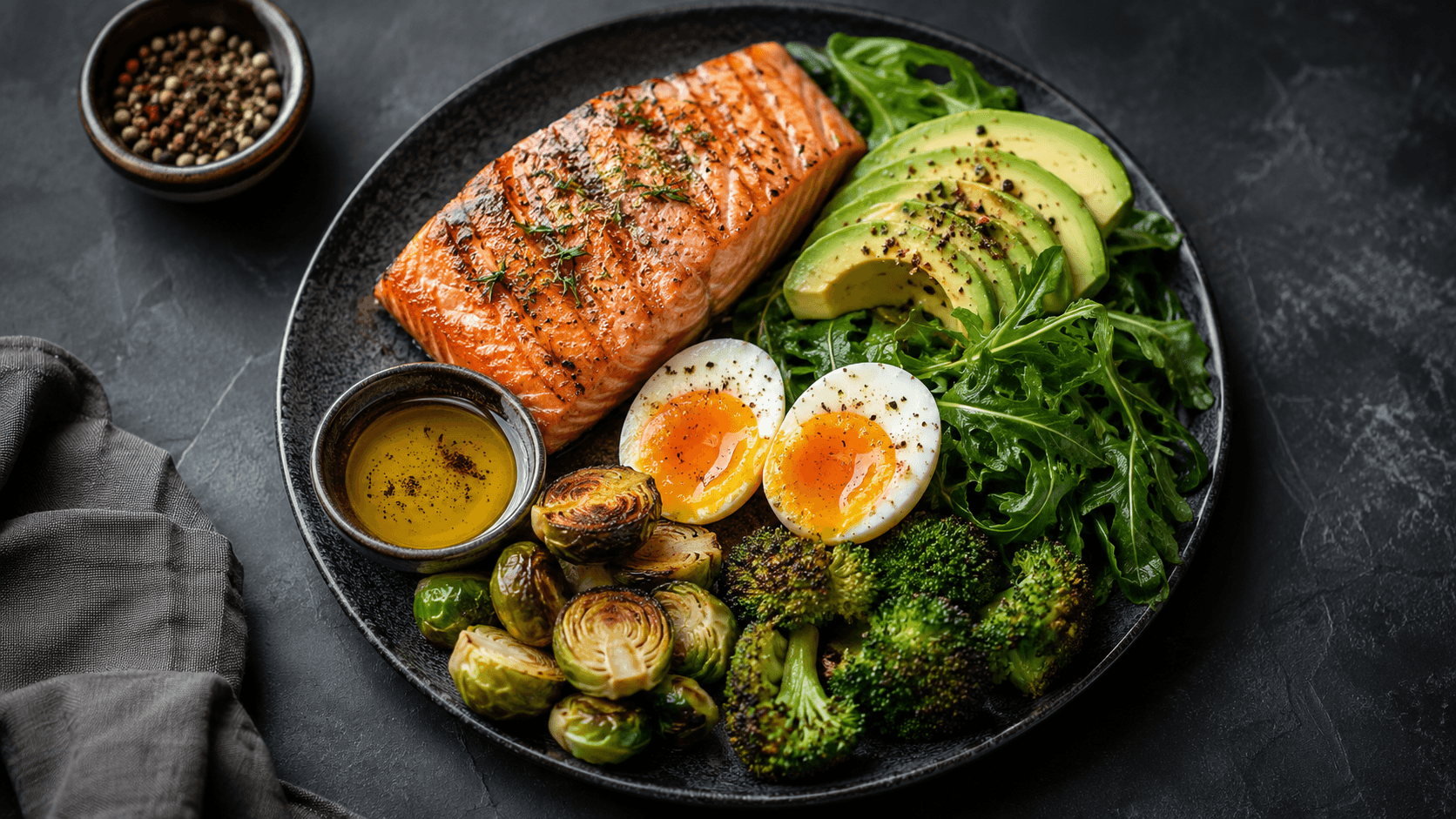
What you eat instead is real, whole food that barely moves insulin: meat, fish, eggs, and poultry; non-starchy vegetables in abundance; natural fats like olive oil, butter, and coconut oil; nuts and seeds; and a little low-sugar fruit like berries. Eat to fullness — this is not about starving on tiny portions of the wrong food, which is the failed advice of the last fifty years. It is about changing the kind of food so the fat-storage signal finally switches off.
Lever two: fasting, the most powerful tool
Diet lowers insulin while you eat. Fasting lowers it all the way to the floor — because the one guaranteed way to stop insulin from rising in response to food is to not eat. This is why fasting is the single most effective tool for reversing type 2 diabetes: it attacks the disease at its root more directly than anything else. When you go without food, insulin drops, the body turns to its fat stores for energy, and it begins burning off precisely the visceral and organ fat that drove the resistance in the first place.
In practice this usually starts with intermittent fasting — compressing all your eating into a window (say, two meals between noon and 8 p.m., a 16-hour daily fast), and crucially not snacking between meals, so insulin has long stretches to fall. From there, many people use longer fasts — a full 24 hours, or several such days a week — under guidance. Fasting costs nothing, requires no equipment, and is the most ancient practice in the world; nearly every culture and faith has done it. For deglazing a body soaked in insulin, there is simply no equal. (See the companion piece on fasting for how to do it well.)
Emptying the fatty pancreas
For years the assumption was that the pancreas in type 2 diabetes was simply burned out and gone. Professor Roy Taylor's work at Newcastle overturned that. He showed that the failing pancreas was not dead but clogged — choked with fat — and that when people lost a significant amount of weight, the fat drained out of the liver and then the pancreas, and the insulin-producing cells woke back up. Function returned. The organ was not destroyed; it was buried, and it could be uncovered. His DiRECT trial then showed this in ordinary patients: with sustained weight loss, a large share achieved full remission — normal blood sugar, no medication. The picture from the diet-and-fasting world and the picture from the research lab converge on the same mechanism: get the fat out of the organs, and the machinery starts working again.
Muscle, walking, and sleep
Diet and fasting do the heavy lifting, but three more things turn the lever. Muscle is the body's largest sink for blood sugar; resistance training builds more of it and makes it hungrier for glucose, draining sugar from the blood without any insulin at all. A simple walk after meals — even ten or fifteen minutes — pulls glucose into the working muscles and blunts the post-meal spike measurably. And sleep and stress matter more than people think: poor sleep and chronic stress raise cortisol, cortisol raises blood sugar and insulin, and the whole cycle tightens. You cannot out-fast a life of no sleep and constant stress.
The evidence that it reverses
This is not a hopeful theory. Dr. Jason Fung's Intensive Dietary Management program has taken thousands of patients off insulin using low-carb eating and fasting. Professor Roy Taylor's Newcastle and DiRECT studies put a large proportion of type 2 patients into drug-free remission through weight loss. Virta Health, working with Dr. Sarah Hallberg, ran a two-year trial of a low-carbohydrate approach and reversed diabetes in a majority of participants, with most coming off their medications. Dr. Benjamin Bikman's research lays out the underlying science of insulin resistance that makes sense of all of it. Different teams, different methods, one finding: when you lower insulin and burn off the fat, type 2 diabetes goes into remission. The body was never broken beyond repair. It was waiting for the cause to be removed.
The honest cautions
Because this works — and works quickly — it has to be done carefully.
The medication issue is the big one. If you cut carbs and start fasting while still taking your full dose of insulin or a sulfonylurea, your blood sugar can crash dangerously low. This is the one real hazard, and it is entirely avoidable: work with a doctor who will reduce your medications as your numbers improve. Done right, the doses come down step by step until many are gone. Done blindly, it is dangerous. Get a glucometer, test often, and never adjust insulin without medical guidance. Type 1 diabetics must never stop insulin. And those who are pregnant, underweight, have a history of disordered eating, or have significant kidney or liver disease should not fast without professional supervision.
One more honest note: remission is not the same as never having had the disease. The susceptibility remains. Go back to the old way of eating and the disease will come back. Reversal is real, but it is a new way of living, not a course of treatment you finish.
How to start
If you want the simplest honest on-ramp, it looks like this.
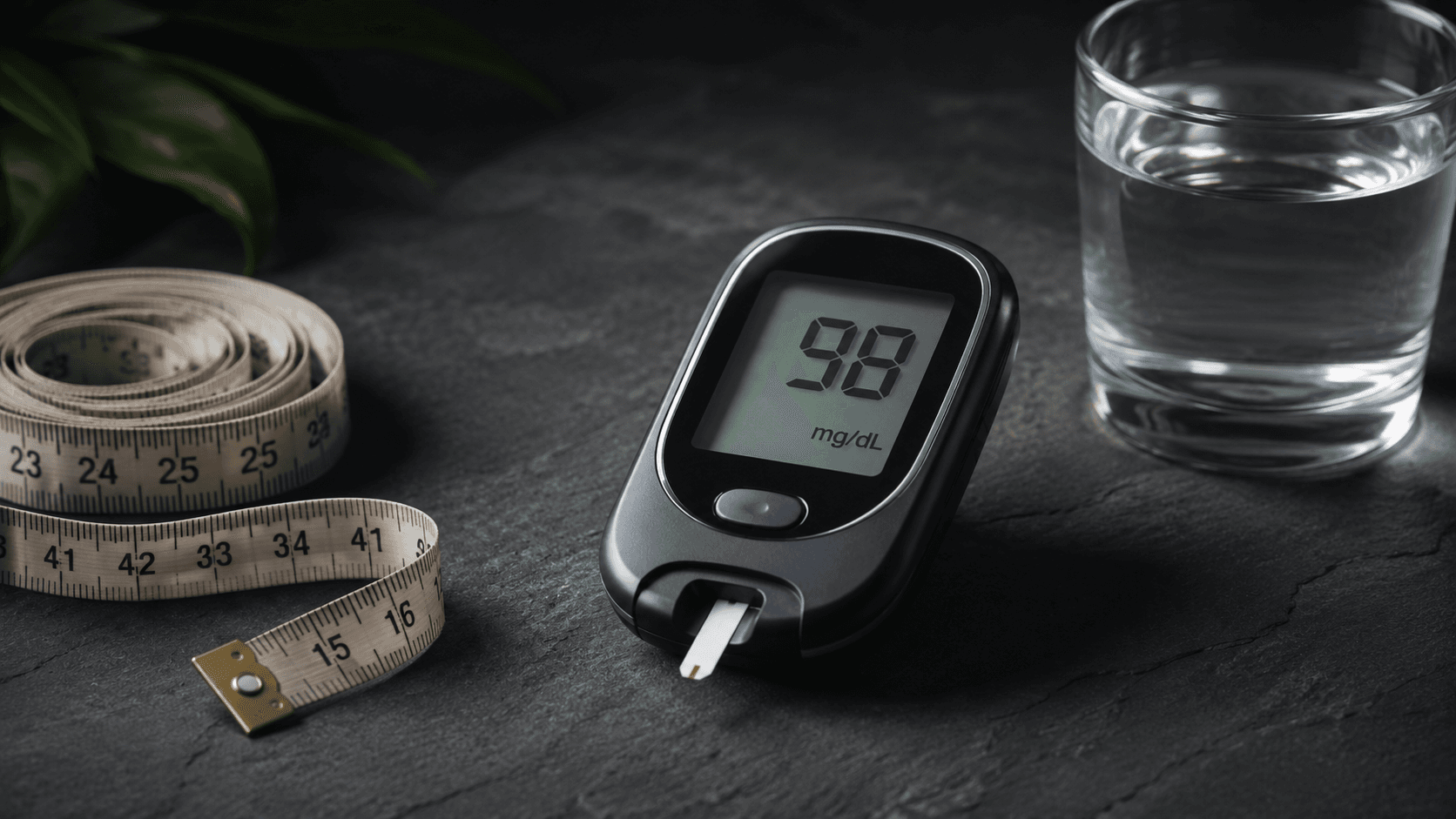
One — see a willing doctor first, especially if you are medicated, and tell them you intend to lower your carbohydrates and begin fasting and will need your medications adjusted down as your blood sugar falls. Two — cut the sugar and refined carbs entirely: no sweet drinks, no bread, pasta, rice, cereal, or potatoes; build meals from meat, eggs, fish, non-starchy vegetables, and natural fats. Three — stop snacking and eat only at meals, then start compressing those meals into a shorter daily window. Four — add an after-meal walk and some resistance training, and protect your sleep. Five — once that is steady, lengthen the fasts — a 24-hour fast once or twice a week is where a lot of the reversal happens — with your doctor watching your medication. Six — track it: a glucometer and a tape measure around the waist will show you the disease retreating long before the next lab visit.
Closing
The hardest part of type 2 diabetes may be the sentence that comes with the diagnosis: this is for life; it only gets worse. For most people that sentence is false. The disease is the body's response to being fed too much sugar, too often, for too long — and the body will respond just as faithfully when the cause is removed. Lower the insulin. Cut the sugar. Let the body fast the way it was built to. Give it muscle and sleep and time. The fat drains out of the organs, the pancreas wakes up, the blood sugar comes down — and a disease everyone said was permanent quietly lets go.
That is the whole reason this section exists: not to manage sickness, but to point at the truth that the body, given what it actually needs, is built to heal. If you or someone you love is staring down this diagnosis, that is the news worth sending them. It does not have to be a life sentence. It can be reversed.
Sources & further reading
This article reflects the work of clinicians and researchers who treat and study type 2 diabetes as a reversible condition. Read them directly, and act in partnership with a practitioner — especially on the medication question.
- Dr. Jason Fung — The Diabetes Code, and the Intensive Dietary Management program (fasting + low-carb reversal)
- Roy Taylor et al. — the DiRECT trial: type 2 diabetes remission through weight loss (The Lancet, 2018)
- Virta Health / Sarah Hallberg — two-year trial of a low-carbohydrate intervention reversing type 2 diabetes
- Dr. Benjamin Bikman — Why We Get Sick: the science of insulin resistance
- Dr. Eric Berg — keto, intermittent fasting, and insulin resistance