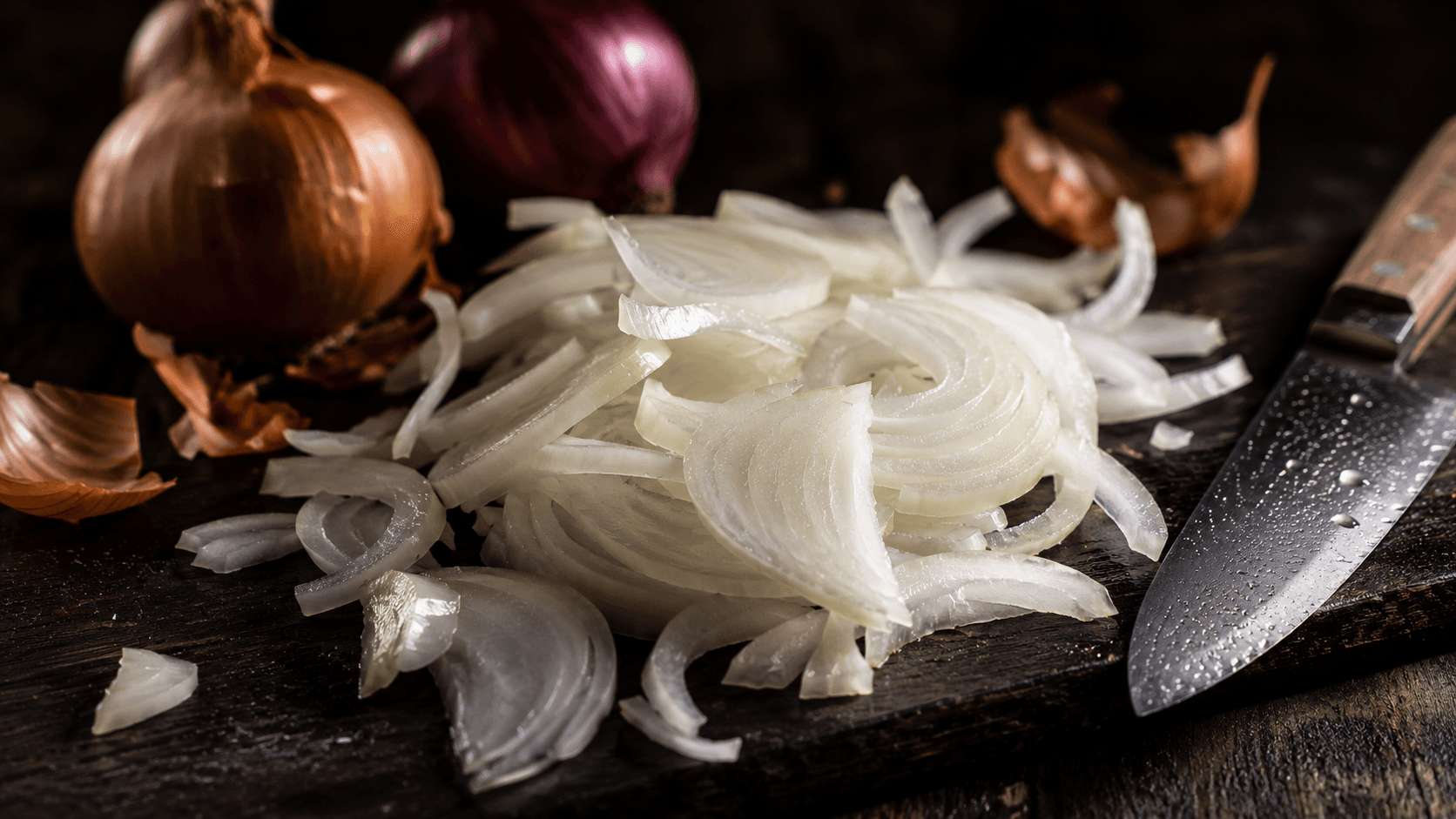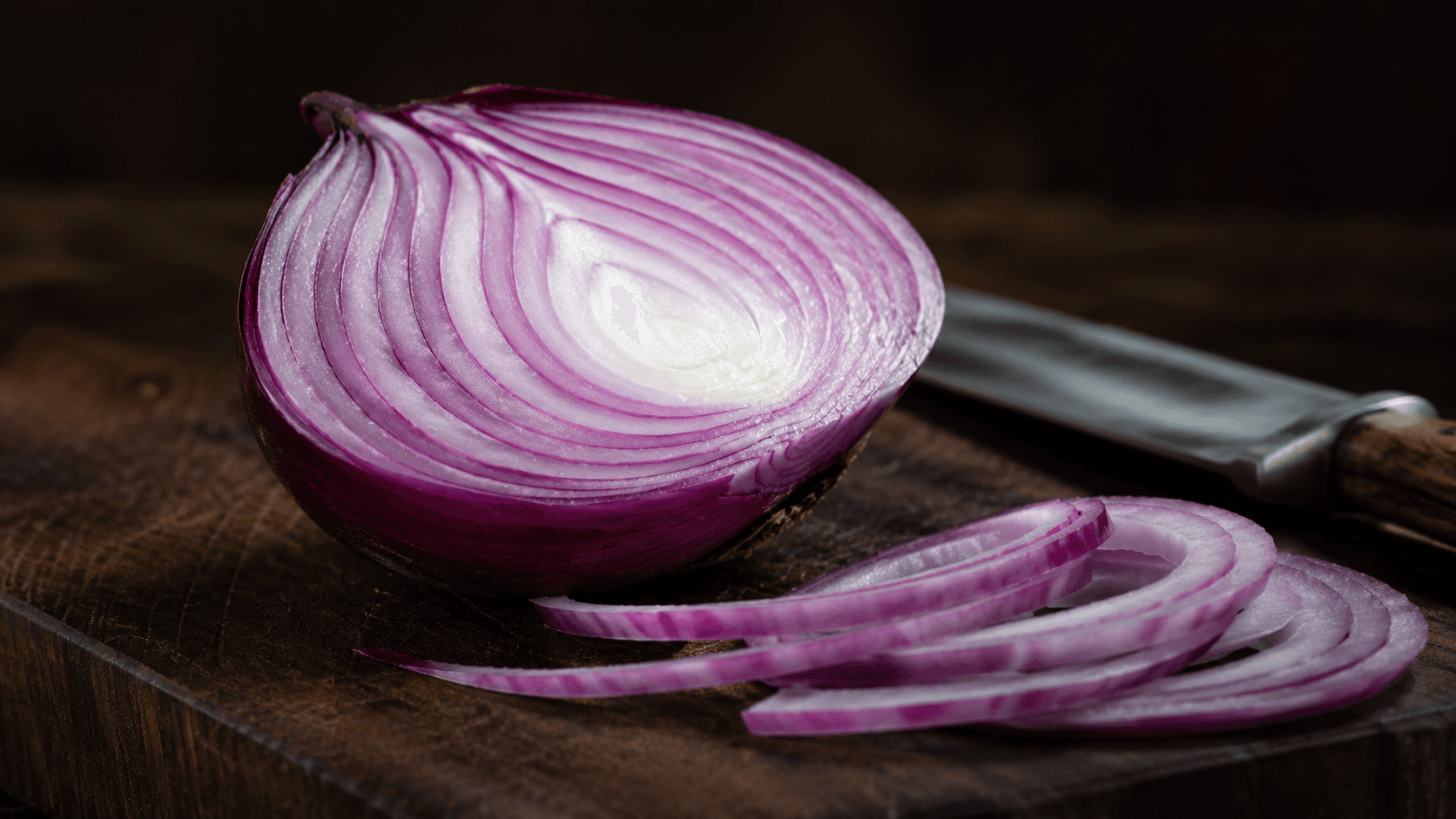
Onions are the most underrated vegetable in your kitchen. They sit in the same Allium family as garlic, they share many of the same sulfur compounds, they bring a different but equally important class of antioxidants (the quercetin family) that garlic doesn't deliver in meaningful amounts, and they are gentle enough on the system to eat daily in real food-volume quantities — not just as a teaspoon of pungent medicine the way raw garlic tends to be. Onion is garlic's everyday cousin: less dramatic per bite, more sustainable across a year of meals, and remarkably more medicinal than the standard recipe treatment of "sauté the onion and forget about it" would suggest.
The case for onions rests on a single compound class — flavonoids, and especially the one called quercetin — that has been studied extensively in cardiovascular medicine, allergy research, and antioxidant biology. Quercetin is sold as a standalone supplement at doses of 500 to 1,000 mg a day, often as an allergy or immune-support product. Most people don't realize that one of the most concentrated dietary sources of quercetin on earth is something they already throw into almost every savory dish they make. This article covers what quercetin actually does, the specific part of the onion that contains most of it (the part most cooks discard), the rest of the onion's compound profile, and how to use it.
The quercetin story
Quercetin is a flavonoid — one of the largest classes of plant-derived antioxidants in nature — and it does several things that, taken together, make it one of the most well-studied compounds in functional medicine. The major actions:
Antihistamine and anti-allergy
Quercetin is what's called a mast cell stabilizer. Mast cells are the immune cells that release histamine in response to allergens — the same histamine that causes itchy eyes, runny nose, sneezing, and the rest of the allergy response. Quercetin makes mast cell membranes more stable, which reduces how readily they release histamine. The effect is similar in direction to over-the-counter antihistamines but without the drowsiness and the receptor-blocking mechanism. It is one of the most-used natural-medicine interventions for seasonal allergies, food sensitivities, and chronic low-grade histamine response — and it works at food-level doses for many people.
Cardiovascular protection
The research on quercetin and the cardiovascular system is extensive. Published reviews document quercetin's effects on antioxidant status, antiplatelet aggregation, reducing myocardial fibrosis, improving ventricular function, protecting the vascular endothelium, and regulating blood pressure. The blood-pressure effect specifically: controlled human studies have shown quercetin supplementation reduces 24-hour systolic blood pressure by an average of about 3.6 mmHg in hypertensive patients — modest per study, meaningful in aggregate, and from a single food compound.
A 2015 randomized, double-blind, placebo-controlled trial using a quercetin-rich onion skin extract found measurable improvements in 24-hour ambulatory blood pressure and endothelial function in overweight and obese (pre-)hypertensive patients. The onion-skin part is revealing — and we'll come back to that in a moment.
Anti-inflammatory and antioxidant
Quercetin neutralizes free radicals at a rate comparable to vitamin C and vitamin E, and it inhibits several inflammatory signalling pathways (including NF-κB, which is also affected by butyrate and several other natural compounds covered elsewhere on this site). The anti-inflammatory effect is broad — it extends across most of the major inflammation cascades implicated in chronic disease.
Anti-cancer research
Quercetin is one of the more-studied phytochemicals in cancer research. Mechanisms include direct antioxidant action, inhibition of cancer cell proliferation, induction of apoptosis (programmed cell death) in certain cancer cell lines, and inhibition of tumor blood vessel formation. The epidemiological data aligns with the mechanistic data — populations that consume the most onions and other quercetin-rich foods have lower rates of several common cancers, particularly stomach, colon, and prostate.
The outer-layer rule — what most people throw away
Here is the single most surprising practical fact in this entire article. The outer layers of the onion — the ones right under the papery skin — contain over 80 percent of the onion's total flavonoid content. The first two to three layers, the ones closest to the dry brown wrapping, hold the overwhelming majority of the quercetin. The inner layers are sweeter, milder, and dramatically less medicinal.
Most cooks — out of habit, or because the outer layers can be slightly tougher and more sharply flavored — peel the onion aggressively, taking off two or three layers along with the papery skin. This throws away most of the quercetin in the onion. The discarded layers go into the trash; the inner sweet flesh goes into the pan. You end up cooking with the part of the onion that has the flavor but very little of the medicine.
The practical correction is simple:
- Peel only the papery skin, and the very outer layer if it's visibly damaged or dirty.
- Keep the outer fleshy layers in the cooking. They're slightly more bitter when raw and slightly tougher when cooked, but in any sautéed, roasted, or braised application, the difference is barely noticeable.
- Save the trimmings and skins. Onion skins can be added to homemade bone broths (you'll strain them out before serving), where they release their quercetin into the broth. This is the closest thing to a quercetin-rich onion-skin extract you can make at home.
This single shift — keeping more of the onion in your food instead of throwing it away — meaningfully changes how medicinal your everyday cooking is.
Red onions vs. yellow onions vs. the others
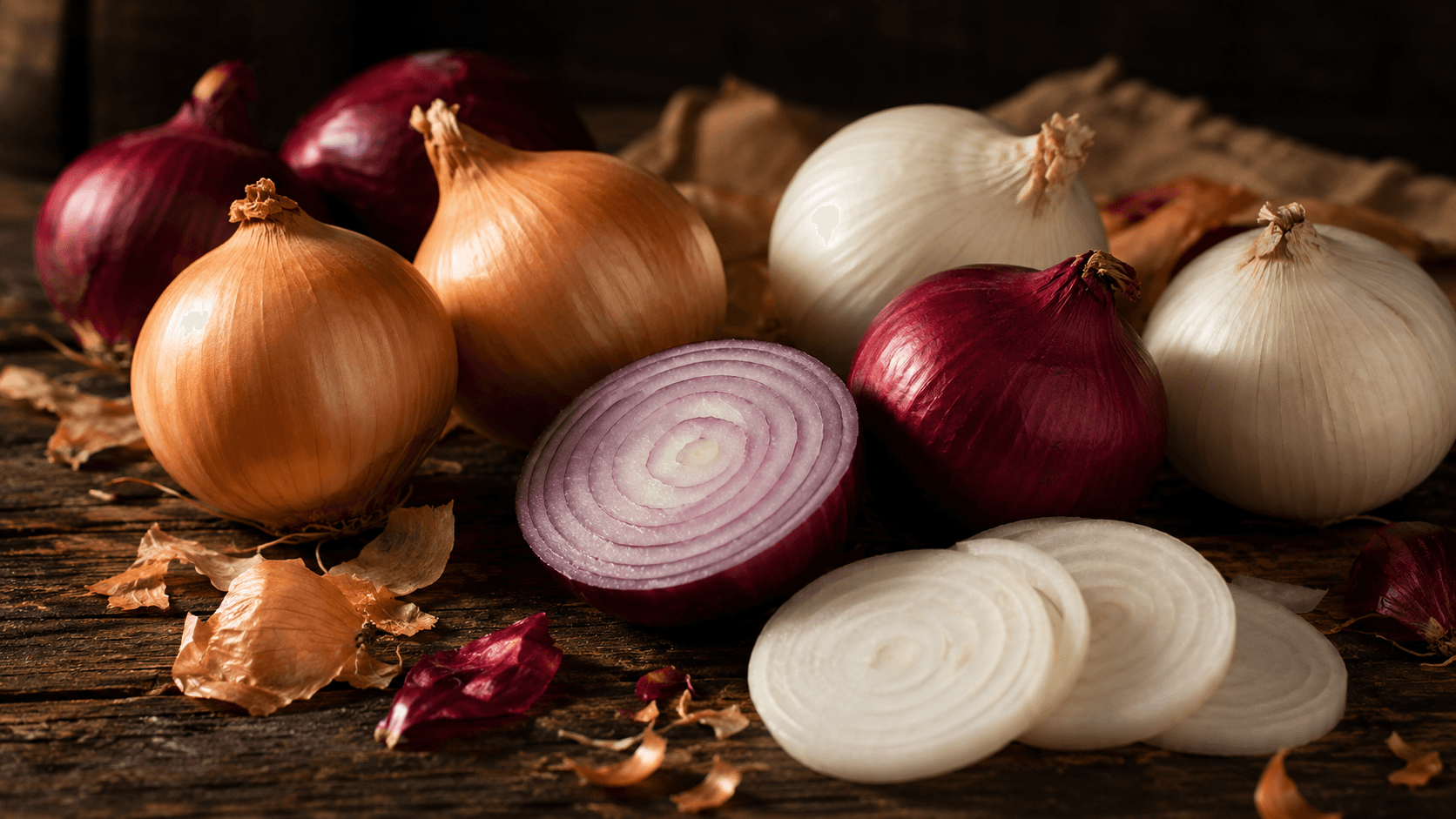
All onions contain quercetin. The concentrations vary significantly by variety:
- Red onions — the highest quercetin concentration. The same anthocyanin pigments that give red onions their color travel with quercetin in the same biosynthetic pathway. Red onions consistently top the quercetin charts among common varieties. If you want maximum medicinal content per onion, red is the answer.
- Yellow onions — strong second place. The standard all-purpose cooking onion. Lower quercetin than red, higher than white, and the best balance of sulfur-compound flavor for cooked applications.
- White onions — milder, lower in quercetin. Common in Mexican and Central American cooking. Pleasant raw in pico de gallo and salsas. Less medicinal than red or yellow.
- Sweet onions (Vidalia, Maui, Walla Walla) — lower in sulfur and quercetin both. Bred for sweetness, which trades some of the active compounds for a less-pungent eating experience. Tasty, but not the medicinal choice.
- Shallots — concentrated milder flavor, good quercetin content. Good for raw applications where the harshness of a yellow onion would dominate.
- Green onions / scallions — different profile, still useful. Higher in vitamin K and folate, lower in the bulb compounds. Use them for the green-top benefits, not as a substitute for cooking onions.
The simplest kitchen rule: keep red onions on hand for any raw application (salads, sandwiches, the flu bomb), and yellow onions for everyday cooking. Between those two, you've covered most of what onions can do for you.
The antimicrobial case — milder than garlic, still real
Onions share the Allium family's sulfur-compound profile with garlic, though at lower concentrations and with a different mix. The result is real antimicrobial activity — just less dramatic per gram than garlic. Onions have been documented to act against:
- Salmonella and E. coli — both common food-borne pathogens
- Staphylococcus aureus — including some resistance to growth in research models
- Various influenza and rhinovirus strains — the cold-and-flu antiviral effect that traditional folk medicine has used for centuries
- Candida and other yeasts — though the antifungal effect is gentler than garlic's
The practical implication: when onions and garlic are combined — the way they almost always are in traditional cooking, soups, sauces, and the flu bomb — the antimicrobial effect is additive. The sulfur-compound and quercetin profiles complement each other rather than overlap. You get more than the sum of the parts.
The metabolic and gut case
Beyond the cardiovascular and antimicrobial cases, onions do two other quietly important things:
Insulin sensitivity and blood sugar
Dr. Eric Berg highlights this specifically: "Onions contain quercetin, a potent polyphenol that has been found to enhance cellular sensitivity to insulin, a key hormone needed for blood sugar control." The mechanism aligns with what we've covered in the articles on walking and magnesium: interventions that improve insulin signalling are some of the most important you can make for long-term metabolic health, and they tend to stack. Onions in the diet are one of those quiet contributors that — combined with everything else — adds up.
Prebiotic fiber for the gut
Onions are one of the highest dietary sources of inulin — a prebiotic fiber that human digestion doesn't break down, but that beneficial gut bacteria ferment into short-chain fatty acids (including butyrate, which we covered in the ghee article). Regular onion consumption is one of the most accessible ways to feed a healthy gut microbiome. The effect is dose- dependent — large quantities of raw onion can cause gas and bloating in some people, especially those with SIBO or fructose-malabsorption issues. Cooking softens this significantly while preserving most of the inulin benefit.
My approach
Onions are mostly a cooking vegetable for me. Two contexts:
- Daily cooking. Onions go into most savory dishes I make — sautéed at the start of soups and stir-fries, roasted alongside meat and vegetables, chopped raw into salads and salsas. I lean on yellow onions for cooking and red onions for raw applications. I try to remember the outer-layer rule and not peel them down to the inner flesh — the quercetin content of the cooking I do is dramatically higher when I keep the first one or two fleshy outer layers in.
- The flu bomb. One to two rings of raw onion, sliced, into the garlic flu bomb I drink three times a day at the first sign of sickness. The onion adds quercetin (the antihistamine / anti-inflammatory contribution) on top of the garlic's allicin (the antibacterial/antiviral contribution). Together they cover more pathogens and more pathways than either does alone.
Beyond cooking and the flu bomb, I don't take onions medicinally — no daily raw onion practice, no onion juice, no quercetin-extract supplementation. The cooking volume is enough to do the work onions can do on their own. For someone serious about quercetin for allergy management or specific cardiovascular goals, a quercetin supplement (500–1000 mg/day) might make sense — but for general health, the daily food contribution is plenty.
Traditional folk uses
Onion has been used as folk medicine across almost every culture that grew it. A few of the traditional applications worth knowing about:
- Onion poultice for cough and congestion. A traditional preparation: chopped raw onion warmed gently, wrapped in cloth, and placed on the chest. The sulfur compounds penetrate the skin and reach the respiratory system. Used for centuries across European and Appalachian folk medicine for chest colds, croup, and bronchitis.
- Onion-honey cough syrup. Chopped raw onion (red preferred) layered in a jar with raw honey, left for several hours or overnight. The honey draws out the active compounds from the onion, producing a sweet syrup with real antimicrobial and cough-soothing properties. One teaspoon a few times a day for active illness.
- "Onion socks." A folk remedy where you slice an onion and place pieces in your socks before bed, supposedly to "draw out toxins" through the soles of the feet via reflexology points. The mechanism is not well-supported in research; many people who try it swear by it; the worst-case is you smell like onions in the morning. Mentioned here for completeness — not endorsing or dismissing.
- Cut onion in a sick room. Another traditional folk practice — placing a sliced onion in the room of someone sick to "absorb germs" from the air. No real research support, and the mechanism is doubtful, but it is part of the deep folk-medicine tradition that surrounds the onion.
The traditional uses you'd actually consider trying are the first two — onion poultice and onion-honey syrup. Both have meaningful biochemical basis for the effects claimed, both are cheap and harmless, and both have been used across cultures for so long that the burden of proof starts to flip the other direction. The folk-medicine intuition that onions help with respiratory illness has turned out to be substantially right.
How to buy onions
- Organic when affordable. Onions are on the lower-pesticide-residue list (the so-called "Clean Fifteen"), so conventional is more defensible here than with strawberries or apples. Organic is still better, but the gap is smaller.
- Firm, heavy for their size, dry papery skin. Avoid soft spots, sprouting green tops, or any sign of mold.
- Stored in a cool, dry, dark place — not the fridge. Onions stored in the refrigerator become soft and lose flavor faster. A pantry or a mesh bag in a cool corner of the kitchen is the right home.
- Keep them away from potatoes. Onions release gases that accelerate potato sprouting; potatoes release moisture that accelerates onion spoilage. Common kitchen mistake.
How to start
- Start by not over-peeling. This is the single highest-leverage onion habit. Take off only the papery skin and obvious damage; keep the outer fleshy layers in the cooking. Today.
- Eat one red onion's worth raw per week. Sliced thin into salads, layered onto sandwiches, mixed into salsa. Raw red onion is the most concentrated way to get quercetin from a food source.
- Save the skins for broth. Toss them in a freezer bag along with other vegetable scraps and use them when you make bone broth. The quercetin gets extracted into the broth.
- Use the flu bomb when sick. Onion is the third ingredient in the garlic flu bomb for a reason — the quercetin and the allicin work in different ways and stack well.
- Make onion-honey syrup once a winter. Chopped red onion in a jar of raw honey, sit overnight, strain off the syrup. Keep in the fridge as a cough and sore-throat remedy.
Closing
The onion is the daily-volume sibling of the more dramatic garlic. You won't notice it dramatically when you eat one — it tastes like food, not medicine — but the quercetin and sulfur compounds you consume over the course of a year of good cooking are doing the slow, steady, accumulated work that real food medicine does. Lower blood pressure. Better insulin response. A calmer immune system. A more diverse gut microbiome. Less inflammatory tone. None of these will show up tomorrow. All of them show up if you keep at it.
The single most important practical takeaway is to stop peeling the medicine off your onions. The outer layers are where most of the quercetin lives. Keep them in. Cook with red onions when you have the choice. And remember the onion when you make the flu bomb — without it, you're missing the quercetin half of one of the simplest and most effective natural-medicine combinations available.
Combined with garlic, ghee, olive oil, and the rest of the whole-food protocol on this site, the onion does its quiet share of the work. Nothing about this is dramatic. Most of the best things never are.
Sources & further reading
- Dr. Berg — Are Onions Keto? What You Need to Know (covers the quercetin and sulfur-compound case for onions)
- Brüll et al., 'Effects of a quercetin-rich onion skin extract on 24 h ambulatory blood pressure and endothelial function' — British Journal of Nutrition, 2015
- Larson et al., 'Therapeutic potential of quercetin to decrease blood pressure: review of efficacy and mechanisms' — Advances in Nutrition, 2012
- Research progress of quercetin in cardiovascular disease — PMC, 2023
- Onion quercetin inhibits vascular endothelial cell dysfunction and prevents hypertension — European Food Research and Technology, 2023
- Effect of different exposed lights on quercetin and quercetin glucoside content in onion — PMC