Zinc is the second-most-abundant trace mineral in the human body after iron, and one of the most quietly consequential. It is required as a cofactor for over 300 enzymes — a similar count to magnesium — and is involved in over 1,000 transcription factors that regulate gene expression. It is critical for immune function, wound healing, testosterone production, taste and smell, vision, skin health, hair growth, mood regulation, blood sugar control, and the conversion of thyroid hormone into its active form. Roughly a third of the world population is estimated to be zinc- deficient. A meaningfully higher percentage of the developed-world population is functionally zinc-deficient — getting enough to avoid the obvious clinical signs but not enough to keep all the systems that depend on zinc running at their best.
The case for paying serious attention to zinc rests on three pillars. First, the breadth of the deficiency symptom list — there is almost no system in the body that doesn't degrade when zinc runs low. Second, the strength of the clinical research, particularly the Cochrane-level evidence for zinc lozenges shortening the common cold by 33% and the controlled data showing 50% testosterone drops in healthy men placed on low-zinc diets for 20 weeks. And third, the unusual subtlety of mild zinc deficiency — most people running short on zinc don't know it because the symptoms are easy to attribute to everything else.
This article covers what zinc actually does in the body, the documented health benefits with the specific clinical-trial numbers worth knowing, the critical zinc-copper balance most supplements get wrong, the form question (the difference between zinc picolinate and the cheaper zinc forms is meaningful), the top food sources, and the protocol I personally use — a combination of one high-quality supplement plus the animal foods that have been the best zinc sources in every traditional diet for thousands of years.
What zinc actually does
Zinc is structurally and catalytically essential across a remarkable range of biological processes. The major categories:
- Enzymatic cofactor. Required for over 300 enzymes including alkaline phosphatase, carbonic anhydrase, alcohol dehydrogenase, and many others involved in digestion, energy production, antioxidant defense, and DNA repair.
- Gene regulation. Cofactor for over 1,000 zinc-finger transcription factors that determine which genes are turned on and off in any given cell. Almost no biological process in the body is untouched by this.
- Immune cell development and function. T cells, B cells, natural killer cells, and phagocytes all require zinc to develop properly and function effectively. Dr. Eric Berg notes that "your phagocytes — the cells that eat viruses, bacteria, and dead cells — are saturated with zinc."
- Wound healing. Required for collagen synthesis and cell proliferation. Zinc- deficient people heal dramatically more slowly.
- Hormone synthesis. Many enzymes that regulate hormone production require zinc — insulin, cortisol, testosterone, estrogen, thyroid hormones, and growth hormone all depend on zinc- dependent enzymes at some step in their synthesis or activation.
- Sensory function. Zinc is heavily concentrated in the brain regions responsible for taste and smell. Loss of taste and smell — a symptom that became unusually familiar during COVID — is a classic zinc-deficiency sign that long predated the pandemic.
- Antioxidant function. Cofactor for superoxide dismutase (SOD), one of the body's master antioxidant enzymes.
- Brain function. Highly concentrated in the hippocampus, the brain region most responsible for memory and learning. Zinc deficiency is associated with cognitive impairment and mood disorders.
Immune function — the strongest research case
The single most well-evidenced clinical use of zinc is for immune function and acute upper respiratory infections. The data is unusually strong for a nutritional intervention.
The most-cited finding: a Cochrane review of 18 randomized controlled trials found that zinc lozenges started within 24 hours of cold onset reduced the duration of illness by an average of 33%. The mechanism: rhinoviruses replicate in the nasal and throat mucosa, and zinc directly inhibits their replication when it reaches those tissues. The lozenge form is specifically important because it delivers zinc directly to the mucosal surfaces where the virus is active — swallowed zinc tablets bypass this delivery route and produce much weaker effects. The doses that worked across the studies were zinc acetate or zinc gluconate lozenges delivering 75+ mg of elemental zinc per day, taken for the duration of the acute illness.
Beyond acute illness, chronic zinc adequacy supports:
- T cell and B cell development and function
- Natural killer cell activity
- Antibody production
- Cytokine regulation (preventing both inadequate and excessive inflammatory response)
- Thymus gland function — the organ where T cells mature, which atrophies with zinc deficiency
If you find yourself catching every cold that comes through your house, getting sick longer than people around you, or watching infections drag on for weeks when they should resolve in days — zinc deficiency is one of the first things worth investigating.
Testosterone and reproductive health
Zinc is required for testosterone synthesis in both men and women, but the case is particularly striking in men. One of the most-cited zinc-testosterone studies placed healthy young men on a controlled low-zinc diet for 20 weeks. The result: serum testosterone dropped by approximately 50%. Zinc supplementation in zinc-deficient older men similarly restored testosterone toward youthful levels in controlled trials.
The mechanism is multi-pronged:
- Zinc is a cofactor in the conversion of cholesterol to testosterone in the testicles.
- Zinc regulates luteinizing hormone (LH), the pituitary signal that triggers testosterone production.
- Zinc inhibits the aromatase enzyme that converts testosterone to estrogen — low zinc means more testosterone gets converted away.
- Zinc is concentrated in sperm cells; zinc deficiency is one of the more consistent dietary contributors to male infertility, and supplementation in zinc-deficient men measurably improves sperm count, motility, and morphology.
In women, zinc supports egg quality, ovulation regularity, hormonal balance through the menstrual cycle, and PCOS management. Pregnancy demands are higher — zinc deficiency during pregnancy contributes to low birth weight and developmental issues.
Wound healing and skin
Zinc deficiency dramatically slows wound healing — this has been documented since the early 20th century. Topical zinc has been used in wound care, burn treatment, and ulcer healing for decades. Oral zinc supplementation accelerates healing of:
- Gastric ulcers and other GI ulcerations
- Leg ulcers, pressure sores, and diabetic foot ulcers
- Post-surgical wounds
- Burns and superficial skin injuries
On the skin-condition side, zinc is one of the better-evidenced single interventions for acne. The combination of zinc with vitamin A (sometimes called a "zinc + retinoid" protocol) has been used by dermatologists for decades. Zinc reduces inflammatory acne specifically, supports the skin barrier, and regulates sebum production. People with chronic inflammatory acne are statistically more likely to be zinc deficient than the general population, and zinc repletion improves outcomes in controlled studies.
Other skin and surface tissue effects of zinc:
- Hair growth. Zinc deficiency is a common cause of diffuse hair shedding, particularly in women. Supplementation in deficient individuals often resolves the shedding within months.
- Nails. Brittle nails, white spots on the nails (leukonychia), and slow nail growth are classic zinc-deficiency signs.
- Eczema and other inflammatory skin conditions often respond to zinc repletion.
Taste and smell — the COVID connection
One of the more interesting clinical signs of zinc deficiency is loss of taste and smell (hypogeusia and hyposmia). Zinc is concentrated in the sensory neurons of the nose and on the tongue, and is required for the proper function of the receptors that detect taste and smell molecules. Zinc-deficient people often report food tastes bland, smells are dulled, or both.
The COVID-19 pandemic made this connection unusually visible. Loss of taste and smell became one of the signature symptoms of acute COVID infection, and a substantial fraction of long-COVID cases involve persistent taste/smell disturbance. Zinc deficiency overlap is a real contributor — many people whose taste and smell were already mildly impaired by chronic zinc deficiency had those issues unmasked or worsened by the viral insult. Zinc supplementation has been part of multiple post-COVID recovery protocols for exactly this reason.
Brain function, mood, and depression
The hippocampus — the brain region most associated with memory and learning — has the highest concentration of zinc of any brain region. Zinc deficiency is consistently linked to:
- Depression. Multiple controlled studies have found low serum zinc in depressed patients, and zinc supplementation as an adjunct to antidepressants improves response in some trials.
- Anxiety through the same NMDA- receptor pathway that magnesium acts on.
- Cognitive function — particularly in older adults.
- ADHD-related symptoms in some children, where zinc deficiency overlap is documented.
The traditional functional-medicine framing of "zinc for the brain" turns out to be supported by genuine neuroscience: the mineral that the brain concentrates most heavily is doing important work, and its deficiency presents in cognitive and mood symptoms.
Other documented functions
- Blood sugar and insulin. Zinc is required for insulin storage in the pancreas and for insulin receptor signaling. Type 2 diabetics are frequently zinc-deficient, and supplementation modestly improves glycemic control in controlled studies.
- Thyroid function. The conversion of T4 (the inactive thyroid hormone) into T3 (the active form) requires zinc. Zinc-deficient people often present with low-T3 syndrome despite normal T4 levels.
- Eye health. Zinc is concentrated in the retina, particularly the macula. Zinc plus vitamin A is part of the AREDS formulation used to slow age-related macular degeneration.
- Antioxidant defense through SOD cofactor function.
- Pregnancy and growth — particularly critical for fetal development and child growth.
The zinc-copper balance — the most important caveat
This is the single most important practical fact about zinc supplementation, and one most cheap zinc products ignore. Zinc and copper exist in a tightly balanced relationship in the body — Dr. Berg uses the analogy of a teeter-totter: too much of one depletes the other. High-dose zinc supplementation taken consistently for months or years, without attention to copper, can produce a copper deficiency that creates its own serious problems.
Copper deficiency is not a trivial concern. The consequences include:
- Iron deficiency anemia — copper is required for iron incorporation into hemoglobin. Low copper produces an anemia that doesn't respond to iron supplementation alone.
- Neutropenia — reduced white blood cell count, which paradoxically worsens immune function despite the zinc being taken to support immunity.
- Neurological symptoms — tingling, numbness, balance issues, similar in presentation to B12 deficiency.
- Connective tissue weakness — copper is required for cross-linking of collagen and elastin.
- Cardiovascular issues from impaired connective tissue and altered iron handling.
The practical guidelines:
- The ideal zinc-to-copper ratio in the diet is approximately 10:1 to 15:1 (zinc:copper). Most natural food sources approximate this ratio reasonably well.
- Zinc supplementation above 25–40 mg/day for long-term use should ideally include copper (typically 1–2 mg) to maintain the balance — either in the same supplement or taken separately. Quality zinc supplements often include copper for exactly this reason.
- Acute high-dose use (zinc lozenges during a cold, for instance) for 5–10 days is fine without copper concerns because the timeframe is too short to deplete copper meaningfully.
- Long-term high-dose zinc without copper is the problematic pattern. Doses above 50 mg/day taken indefinitely without copper supplementation or substantial dietary copper (organ meats, oysters, cashews, dark chocolate) deplete copper measurably over months.
The simplest practical rule for most people: take zinc at moderate doses (15–30 mg) rather than mega-doses, eat enough food-source zinc and copper to maintain the dietary baseline, and don't continuously take 50+ mg/day for years on end without paying attention to the copper side.
The forms of zinc
Not all zinc supplements are equally absorbed. The form on the label matters significantly, and this is one of the supplements where the cheap-bin pills are genuinely much worse than the quality options.
Zinc picolinate — the best-absorbed form
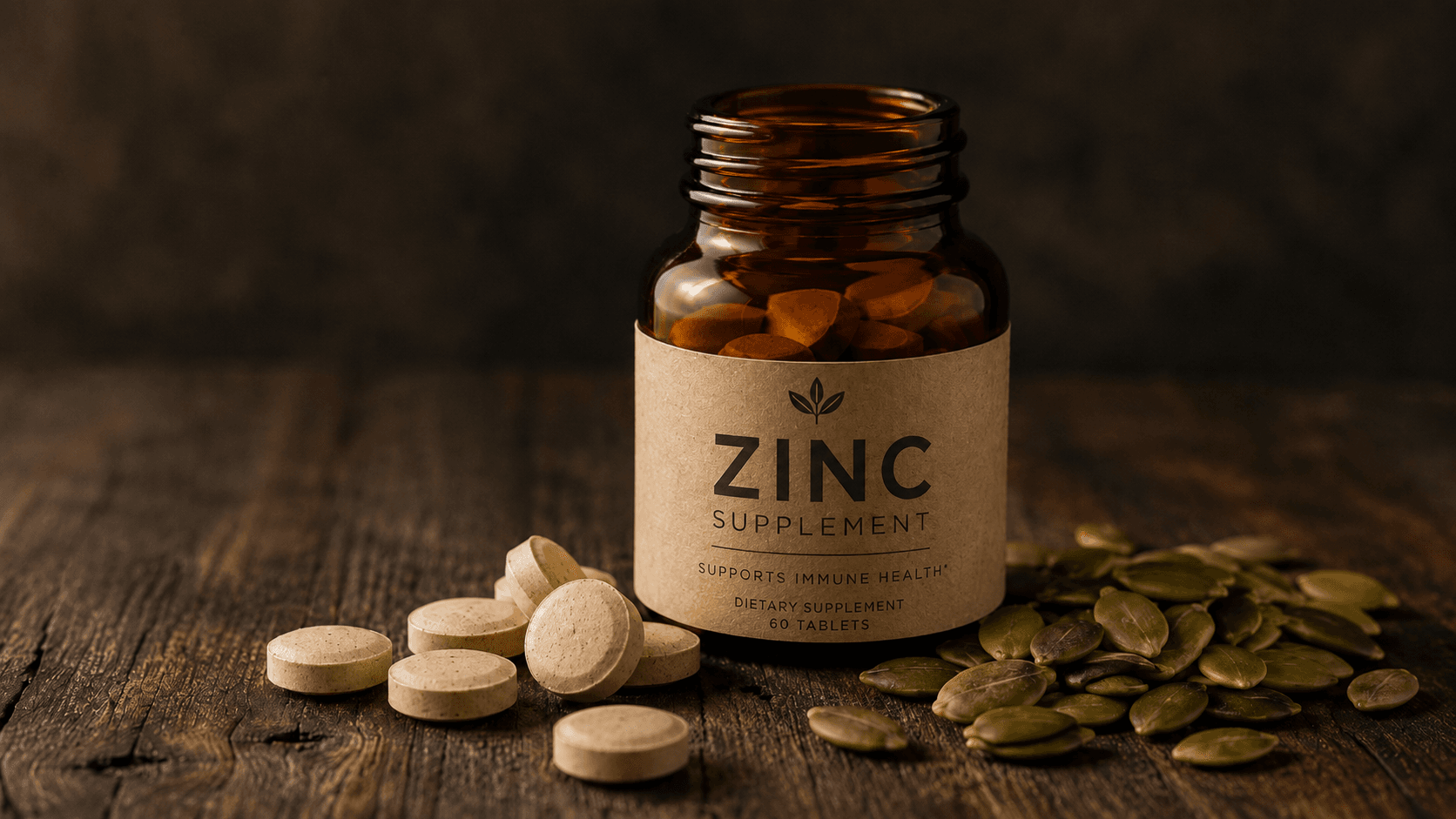
Zinc bound to picolinic acid. The 1987 reference study on zinc form comparison found that zinc picolinate was the only form that significantly raised zinc levels in hair, urine, and red blood cells compared with placebo, outperforming both zinc citrate and zinc gluconate. The picolinate chelate remains stable across a wider pH range and is more resistant to absorption inhibitors than the other common forms. This is the form Pure Encapsulations uses in Ultrazin, and what I personally take.
Zinc glycinate / bisglycinate (chelate)
Zinc bound to the amino acid glycine. Well-absorbed, gentle on the stomach (less GI irritation than other forms), and well-tolerated even on a relatively empty stomach. A close second to picolinate for general supplementation purposes, and arguably the best choice for sensitive digestion.
Zinc citrate and zinc gluconate
Both well-absorbed (around 60% fractional absorption in controlled studies) and substantially better than zinc oxide. Zinc gluconate is the form most commonly used in zinc lozenges for cold treatment. Zinc citrate is a reasonable general-purpose supplement form. Either is acceptable for daily maintenance, particularly at the budget end.
The forms to avoid
- Zinc oxide — poorly absorbed, around 50% fractional absorption versus 60%+ for citrate and gluconate. Used in many cheap multivitamins because it's the cheapest form to manufacture. Worth avoiding when better options exist.
- Zinc sulfate — adequate absorption but tends to cause GI upset, nausea, and stomach pain in many people. Often used in research studies because it's standardized and cheap, but not the practical choice for daily use.
Top food sources of zinc
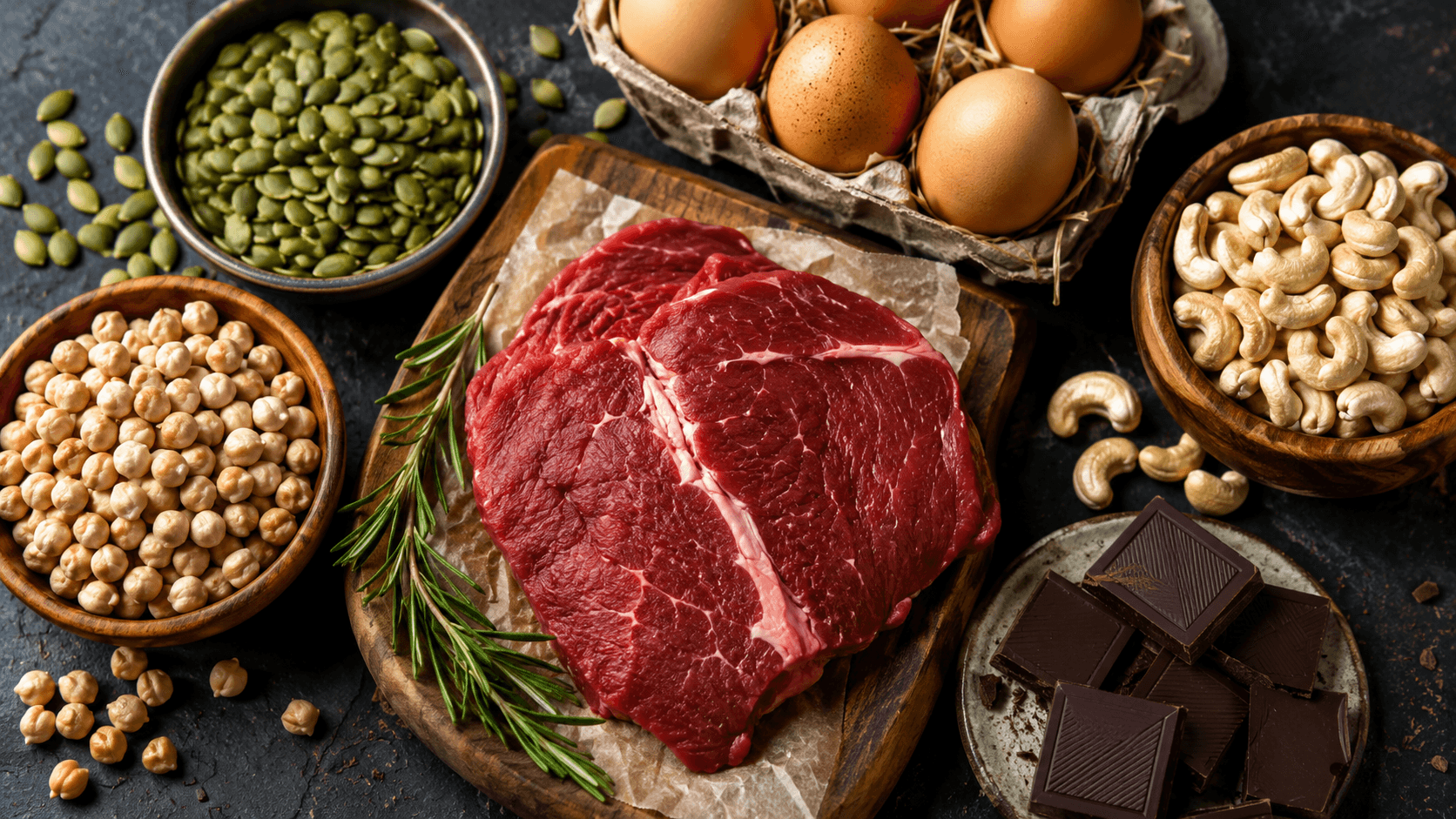
Animal-source foods are dramatically better zinc sources than plant foods. The reason: plant sources contain phytates — compounds that bind zinc and reduce its absorption by 30–50%. Animal sources have no phytates and deliver highly bioavailable zinc. The top sources, in rough order:
- Oysters — by an enormous margin the highest zinc food on earth. A single 3-oz serving delivers ~70 mg of zinc — roughly 6× the daily requirement. If you eat oysters even once a month, zinc is not your problem.
- Beef (grass-fed especially) — about 7 mg of zinc per 3-oz serving. One of the most reliable everyday food sources and what I get most of my dietary zinc from.
- Lamb — comparable to beef.
- Crab and lobster — strong shellfish sources.
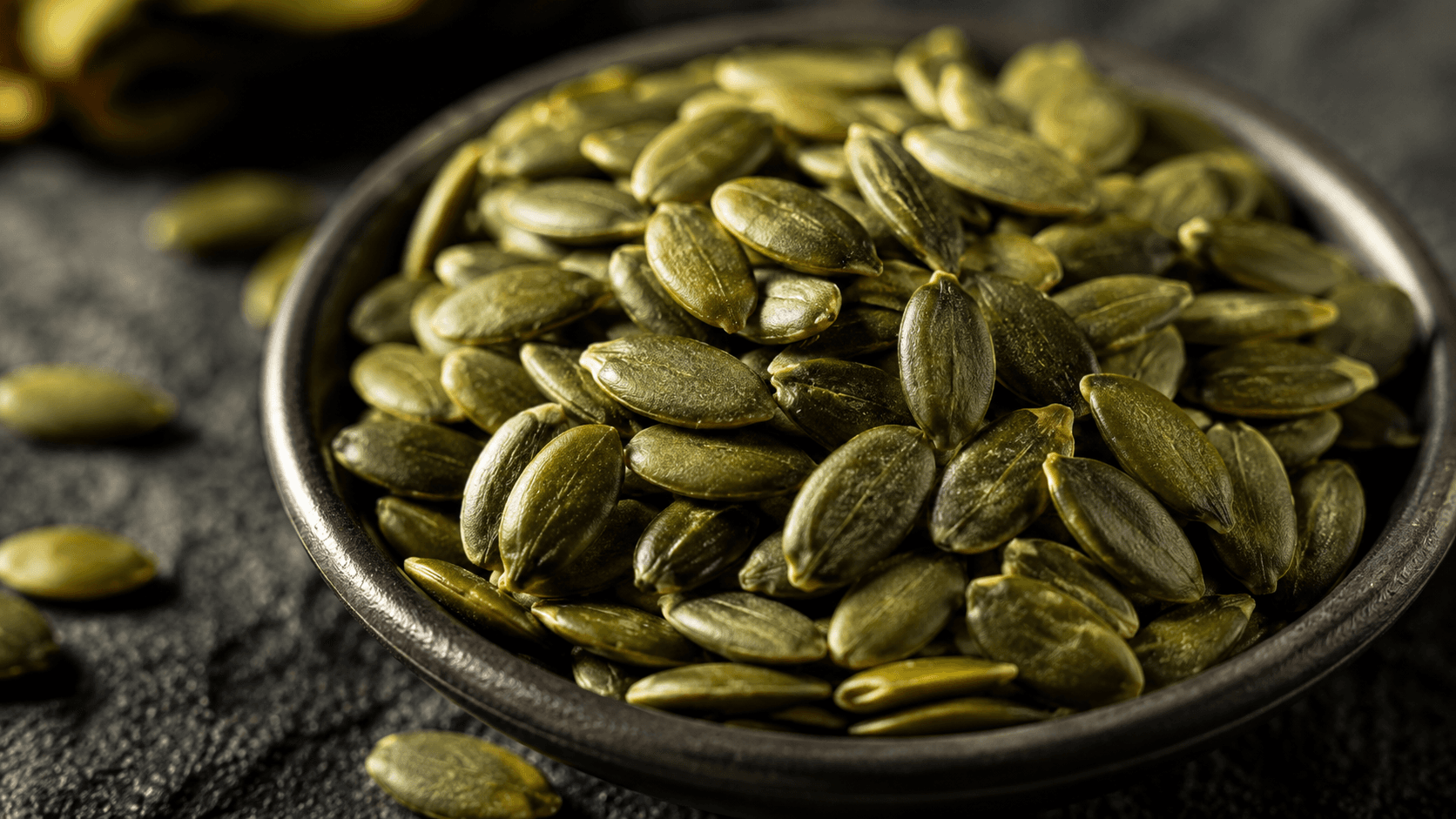
- Pumpkin seeds — one of the better plant sources, around 2.5 mg per ounce.
- Chicken (dark meat especially) — about 2–3 mg per 3-oz serving.
- Fish — moderate sources. Sardines, salmon, and tuna all contribute meaningfully.
- Eggs — about 1 mg per egg, modest but consistent.
- Cheese (especially aged hard cheeses) — comparable to chicken per serving.
- Cashews, almonds, sesame seeds — plant sources, but with phytate reducing absorption.
- Lentils, beans, chickpeas — plant sources, same phytate caveat.
The daily zinc requirement is officially 11 mg for adult men and 8 mg for adult women — though many functional-medicine practitioners target somewhat higher daily intakes (15–25 mg) for optimal function rather than just deficiency avoidance.
Common signs of zinc deficiency
The symptoms of mild-to-moderate zinc deficiency are broad enough that the picture is easy to attribute to other causes — which is part of why it's so commonly missed. The most common indicators:
- Frequent colds or infections; slow recovery
- Slow wound healing — cuts that take longer than they should to close
- Diffuse hair shedding
- Brittle nails, white spots on the nails
- Skin issues — particularly acne, eczema, or persistent rashes
- Loss or dulling of taste and smell
- Low libido or sexual dysfunction
- Persistent fatigue
- Depression or mood disturbances
- Cognitive symptoms — brain fog, poor concentration, memory issues
- Frequent diarrhea or chronic GI issues
- White coating or geographic patterns on the tongue
A simple at-home zinc taste test exists — a liquid zinc sulfate solution (sold as "zinc tally" or similar) that tastes strongly metallic to zinc-sufficient people and essentially tasteless to zinc-deficient ones. Not a rigorous diagnostic, but a reasonable first-pass screen. Lab testing of serum zinc is more accurate but should be interpreted with care — serum zinc doesn't always reflect tissue zinc status.
My approach
Combination protocol: one high-quality supplement plus consistent food sources.
- Pure Encapsulations Ultra-Zin (zinc picolinate). One of the most well-absorbed forms in one of the cleanest supplement lines on the market. Hypoallergenic, no unnecessary excipients, third-party tested. Pure Encapsulations is the brand I trust across multiple supplements (magnesium glycinate, boron glycinate, vitamin D), and the zinc picolinate version is consistent with the rest of the stack.
- Grass-fed beef — multiple times a week. One of the best whole-food zinc sources at ~7 mg per 3-oz serving, plus the rest of the grass-fed nutrient profile (covered in the beef tallow article).
- Fish and chicken — particularly salmon, cod, sardines, and dark-meat chicken — round out the animal-protein zinc contribution across the week.
- Eggs — daily. Modest per-egg zinc content but consistent contribution alongside the rest of the egg's complete-food profile.
- Tangy Tangerine — Wallach's Youngevity drink (covered in the boron article) contains zinc alongside the other trace minerals. Background contribution rather than primary source.
Between the supplement and the food sources, my zinc intake stays comfortably above the daily requirement without crossing into the long-term mega-dose territory that would warrant active copper supplementation. The food sources also bring small amounts of dietary copper alongside the zinc, which keeps the zinc-to-copper ratio in a reasonable range.
How to take zinc
- Take it with a small amount of food if zinc on an empty stomach causes you any nausea. Most quality forms (picolinate, glycinate) are gentle enough to take with water alone, but sensitive individuals may prefer pairing with a light snack.
- Separate from calcium and iron supplements by at least 2 hours. All three compete for the same absorption pathways, and taking them together reduces effective zinc uptake.
- Daily dose for general maintenance is typically 15–30 mg of elemental zinc.
- For acute illness (cold onset), zinc lozenges (gluconate or acetate, 75+ mg of elemental zinc daily across several lozenges) for 5–10 days is the protocol with Cochrane support.
- Take it consistently rather than aggressively. Zinc benefits are cumulative; most controlled trials show effects emerging over weeks of consistent intake.
- Watch for the copper balance if you're taking high-dose zinc continuously for more than a few months. Either add 1–2 mg of copper or include copper-rich foods (organ meats, oysters, cashews, dark chocolate) in your diet.
Honest cautions
- Copper depletion at high doses. Covered in detail above. The most important long-term consideration with zinc supplementation.
- GI upset. Some forms (especially zinc sulfate) can cause nausea, particularly on an empty stomach. Zinc picolinate and glycinate are substantially gentler.
- Drug interactions. Zinc can reduce absorption of certain antibiotics (tetracyclines, fluoroquinolones) — separate doses by at least 2 hours. Diuretics can affect zinc status. Penicillamine (used for Wilson's disease and rheumatoid arthritis) chelates zinc.
- Acute high-dose toxicity is possible at single doses above several hundred milligrams, causing nausea, vomiting, and abdominal pain. This is essentially impossible to reach through normal supplementation but worth knowing.
- Excessive doses (100+ mg/day for years) have been associated with increased prostate cancer risk in some epidemiological studies — though this is at megadose levels far above what anyone using zinc for general health should be approaching.
- Pregnancy. Zinc is essential during pregnancy, but stay near recommended doses (11 mg/day is the RDA for pregnant women) rather than mega-dosing. Discuss with a practitioner.
How to start
- Add a quality zinc supplement at 15–30 mg daily. Zinc picolinate, glycinate, or citrate are the right forms. Avoid zinc oxide.
- Eat animal foods regularly. Grass- fed beef, oysters once in a while, eggs daily, fish and dark-meat chicken several times a week. This is the foundation. With this dietary base, daily supplementation needs to fill a smaller gap.
- Keep zinc lozenges in the cupboard for cold onset. Zinc gluconate or acetate lozenges, taken within 24 hours of feeling a cold come on, for 5–10 days. This is one of the more reliable evidence-based acute interventions for a viral respiratory illness.
- Don't stay above 50 mg/day indefinitely without copper. The copper-balance issue is real. Long-term mega-dosing without copper is the primary practical mistake with zinc supplementation.
- Pay attention to the deficiency signs. Slow wound healing, frequent colds, loss of taste, hair shedding — these are the indicators that say "zinc isn't adequate." If any of these resolve over weeks of supplementation, you've confirmed the problem was zinc.
- Cycle if you're using higher doses. For doses above the maintenance range, two months on, one month off is a reasonable cycling pattern. For the 15–30 mg/day maintenance range, continuous use is fine.
What I actually take
Closing
Zinc is one of those nutrients where the breadth of the deficiency picture is striking enough to make the case on its own. Immune function. Wound healing. Hormone synthesis — testosterone in particular. Taste and smell. Brain function. Mood. Skin and hair. Eye health. Insulin signaling. Thyroid conversion. Almost no system in the body is untouched by zinc, and a surprising fraction of the population is running quietly below where they should be — particularly older adults, vegans and vegetarians (the phytate problem), people on PPIs or certain medications, and anyone with chronic digestive issues that impair absorption.
The good news is that the fix is straightforward. Animal foods are excellent zinc sources, the supplement form question has a clear answer (picolinate, glycinate, or citrate), and the copper-balance issue is easily managed by not mega-dosing indefinitely. Pair a quality 15–30 mg daily supplement with regular animal-food consumption, keep zinc lozenges in the cupboard for cold onset, and the zinc side of nutrition is essentially handled.
Combined with the rest of the mineral foundation — magnesium, potassium, iodine, boron, vitamin D — zinc fills in one of the more consequential gaps that the modern diet, particularly the plant-leaning modern diet, tends to leave half-finished. A small mineral with a disproportionate effect on how functional the rest of the body is.
Related reading on this site: the natural testosterone article covers the Prasad 1996 study showing zinc-restricted men had their testosterone levels cut nearly in half — and that supplementing deficient men roughly doubled it. The women's cycle article covers zinc's role in regulating the female cycle, supporting hormone production, and addressing PMS-related acne.
Sources & further reading
- Dr. Berg — Zinc Benefits: 6 Powerful Effects on Your Health
- Dr. Berg — Zinc Deficiency: Signs, Causes, and What to Do
- Hemilä, 'Zinc Lozenges and the Common Cold: A Meta-Analysis Comparing Zinc Acetate and Zinc Gluconate' — JRSM Open, 2017 (the canonical 33% cold-duration finding)
- Prasad et al., 'Zinc status and serum testosterone levels of healthy adults' — Nutrition, 1996 (the canonical low-zinc-diet-drops-testosterone study)
- Barrie et al., 'Comparative absorption of zinc picolinate, zinc citrate and zinc gluconate in humans' — Agents and Actions, 1987 (the canonical form-comparison paper)
- Zinc in Human Health: Effect of Zinc on Immune Cells — Molecular Medicine / PMC, 2008
- Comparative Absorption and Bioavailability of Various Chemical Forms of Zinc in Humans: A Narrative Review — Nutrients / PMC, 2024