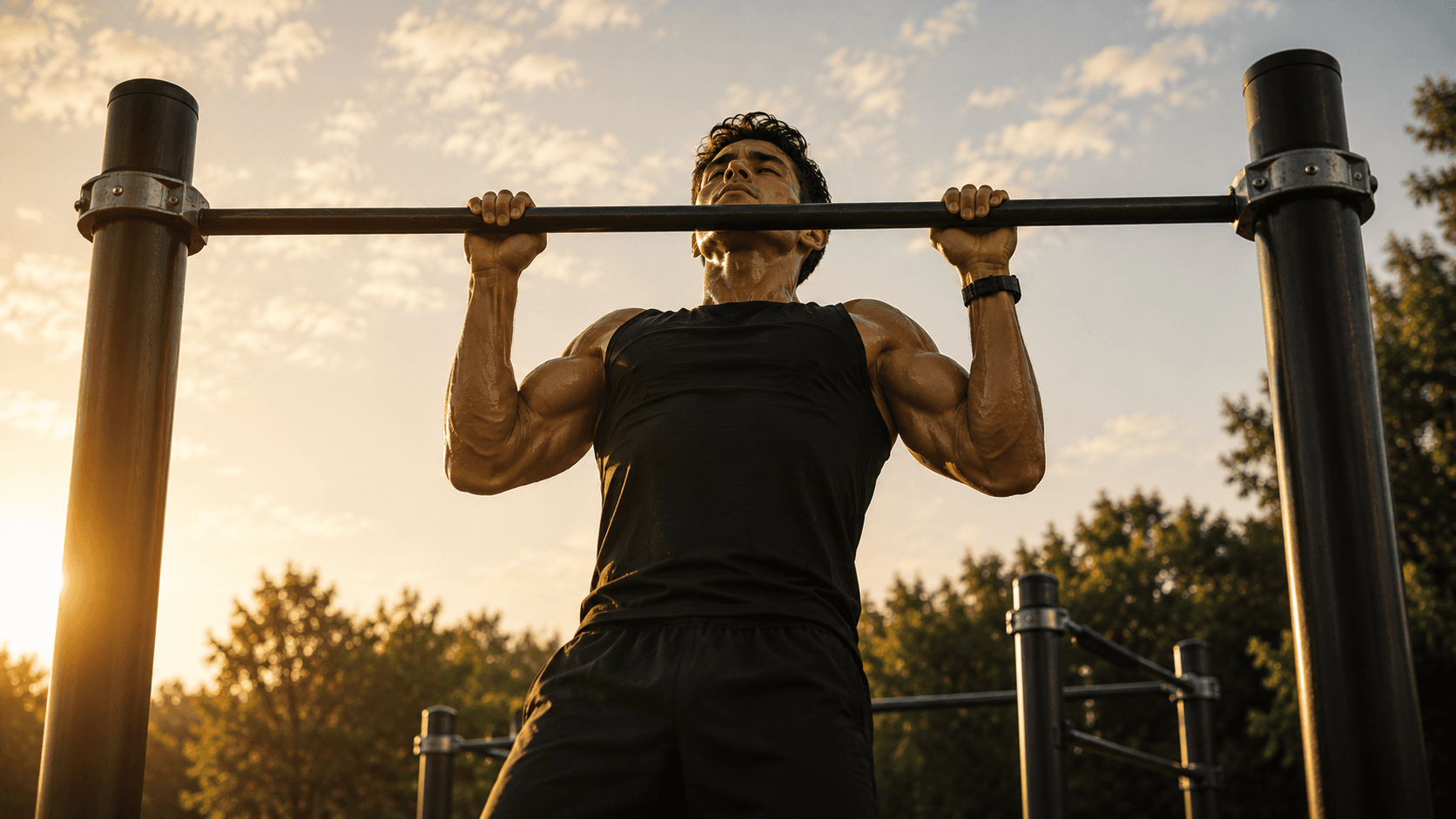
Resistance training is one of the most powerful interventions available to a human being for extending healthspan, preserving function, and resisting the visible and invisible damage of aging. The evidence base is enormous and consistent. People who lift weights — even people who start in their 70s — gain muscle, gain bone density, improve their insulin sensitivity, improve their cognition, reduce their fall risk, lower their all-cause mortality, and look noticeably younger than their age-matched sedentary peers. There is no medication on the market that produces effects across this many systems simultaneously. Strength training is, in functional terms, the closest thing we have to an actual anti-aging drug. It is almost free. The only meaningful cost is the time.
The mainstream cultural picture of weight lifting is still oddly stuck — beefy young men in commercial gyms, vanity-driven aesthetics, somehow disconnected from "real" medicine. The modern research picture is the opposite. The single highest-impact use of resistance training is not building twenty-year-old physiques but preserving sixty-, seventy-, and eighty-year-old bodies from the slow biological collapse most of the population accepts as normal aging. The strongest reasons to lift weights apply most powerfully to the people the culture tells most often that they shouldn't.
This article covers the sarcopenia problem (why you lose muscle starting in your 30s and what that costs you), the bone density rebuild, the full hormonal cascade (HGH, testosterone, IGF-1, and the myokine revolution), the dramatic mood and antidepressant effects, the chronic inflammation reversal, the type 2 diabetes prevention and reversal case (muscle as the body's primary glucose sink, the GLUT-4 mechanism, the HbA1c data), the cognitive and brain volume findings, the cardiovascular medicine, the mortality and longevity data, the elderly people in their 70s, 80s, and 90s who are proving every assumption about "age-appropriate" exercise wrong, the way walking and rebounding contribute to the same weight-bearing stimulus, the research showing resistance bands produce gains comparable to free weights when you don't have access to a full gym, the mixed bodybuilding-plus-calisthenics protocol I follow, and how to start if you've never picked up a weight in your life.
The sarcopenia problem — what aging actually is
One of the more important biological facts most people never hear is that muscle loss begins in your 30s and accelerates decade by decade. The clinical term is sarcopenia — the age-related, involuntary loss of skeletal muscle mass and strength. Without an active intervention, the average adult loses roughly 3–8% of their muscle mass per decade starting in their 30s, accelerating to as much as 1–2% per year after age 60. By the time most people reach their 70s, they have lost a substantial fraction of the muscle they had at 25 — frequently 30–40%, sometimes more.
This is not cosmetic. Sarcopenia is, in functional terms, the mechanism behind most of what people call "getting old":
- Falls and fractures. Lost leg and hip strength removes the body's ability to catch itself.
- Loss of independence. The inability to get out of a chair without help, climb stairs, or carry groceries is downstream of muscle loss.
- Metabolic decline. Muscle is the body's primary glucose-disposal tissue. Lose muscle and your insulin sensitivity falls, your fasting blood sugar rises, and type 2 diabetes risk climbs.
- Lower resting metabolic rate. Less muscle means fewer calories burned at rest, easier weight gain, harder weight loss.
- Hormonal cascade downward. Less muscle tissue means less of the hormonal output that muscle produces, including factors involved in inflammation regulation and cognitive health.
- Frailty and mortality. Low muscle mass and low strength are among the most predictive markers in geriatric medicine for all-cause mortality.
Most of what gets blamed on "aging" is actually muscle loss in disguise. Stop the muscle loss and you reverse the visible consequences of aging on the timescale of months.
The most important thing to understand about sarcopenia is that it is almost entirely preventable and largely reversible — at any age — through resistance training. Even in studies of nursing home residents in their 80s and 90s with severe baseline frailty, properly progressed resistance training produces meaningful strength gains in weeks. The body's adaptive response to mechanical load does not switch off with age. It just stops being asked to perform.
Bone density — building skeleton, not just muscle
The same mechanical loading that grows muscle also signals the skeleton to build bone. Bone is a living tissue that adapts to stress: load it, and osteoblasts lay down more mineral density; unload it, and the skeleton resorbs. This is why astronauts in zero gravity lose bone density rapidly, why long-term bed rest produces osteoporosis-like decline in months, and why resistance training is one of the few interventions that can actually increase bone density rather than merely slow its loss.
Multiple controlled trials and systematic reviews have shown that resistance training in postmenopausal women — a high-risk population for osteoporosis — produces measurable increases in bone mineral density at the hip and spine, two of the most fracture-prone sites. The mechanism is the same load-induced adaptation that builds muscle: bone responds to the strain tensor it experiences, and resistance training produces strain patterns that pharmaceutical bone medications can't replicate. The LIFTMOR trial — a randomized controlled trial of high-intensity resistance training in postmenopausal women with low bone mass — produced significant increases in lumbar spine and femoral neck bone density compared to the control group, with no fractures or adverse events.
Osteoporosis is one of the modern world's quietest epidemics: a hip fracture in old age carries roughly a 20–30% one-year mortality rate, and the majority of survivors never return to their pre-fracture functional level. Resistance training, paired with adequate magnesium, boron, vitamin D, and a protein-sufficient diet, is the most effective non-pharmaceutical defense against this trajectory.
The hormonal cascade — natural HGH, testosterone, IGF-1, and the myokine revolution
One of the more underappreciated facts about resistance training is the hormonal response it produces. Heavy compound resistance exercise is one of the most potent natural stimulators of growth hormone, testosterone, and a long list of beneficial signaling molecules in healthy humans, and the downstream effects of these hormones extend far beyond muscle building. The picture has gotten richer in the last two decades — what was once a conversation about a handful of "anabolic hormones" is now a conversation about muscle as a full-fledged endocrine organ producing hundreds of signaling proteins with effects across every major system in the body.
Growth hormone (HGH)
Heavy resistance training with sufficient volume — particularly compound lifts like squats, deadlifts, and presses performed in the moderate-to-higher rep ranges (8–15) and taken close to failure — produces acute spikes in growth hormone that can be several times baseline. HGH is responsible for tissue repair, fat oxidation, skin and connective tissue maintenance, and overall cellular regeneration. The anti-aging clinics that sell synthetic HGH at thousands of dollars a month are selling a hormone your own body will produce — for free — in response to the right training stimulus. The key variable for the HGH response is metabolic stress: the burning, pumped, near-failure feeling at the end of a hard set is the physiological signal that triggers the pituitary release. Light pink dumbbells held for 60 reps while watching television do not produce this response. Heavy enough loading, near enough to failure, with sufficient compound movement does.
Testosterone
Resistance training elevates testosterone in both men and women, supports the maintenance of healthy levels across the lifespan, and is one of the few non-pharmaceutical interventions consistently shown to slow the age-related decline in male testosterone. The acute hormonal response is larger from compound multi-joint lifts (squats, deadlifts, pulls, presses) than from isolation work; the chronic response is driven by sufficient training volume, progressive overload, adequate recovery, sufficient sleep, and adequate intake of the minerals that support steroid hormone synthesis — particularly zinc, boron, magnesium, and vitamin D. For men over 40 watching their testosterone numbers drift, the gym — properly stocked with the supporting minerals — is the most cost-effective intervention available before any consideration of medical replacement.
IGF-1
Insulin-like growth factor 1 mediates many of growth hormone's downstream effects on tissue. Resistance training elevates IGF-1 and supports tissue repair, muscle protein synthesis, and connective tissue maintenance. There is ongoing debate about long-term IGF-1 elevation and cancer risk in the longevity literature, but the consensus in exercise physiology is that the exercise-induced IGF-1 response is pulsatile, paired with strong autophagy and repair signaling, and meaningfully different from chronic elevation driven by other causes.
Myokines — muscle as an endocrine organ
One of the most important shifts in exercise physiology over the last two decades has been the recognition that muscle is not just a contractile tissue. It is, in literal biological terms, the largest endocrine organ in the body — releasing hundreds of signaling molecules collectively called myokines into the bloodstream during and after contraction. These myokines travel to virtually every tissue in the body and carry the message that the body is being used. The longer this literature develops, the more it looks like the systemic benefits of exercise that doctors have observed empirically for decades — better mood, better cognition, lower inflammation, better metabolic health — are being mediated by these molecules. The most important known so far:
- Irisin. Released from contracting muscle, irisin signals to white adipose tissue to "brown" — to convert into the metabolically active brown fat that burns calories for heat production rather than storing them. It also crosses the blood-brain barrier and is implicated in neurogenesis and protection against neurodegenerative disease. Resistance and aerobic exercise both elevate irisin, and the effects span fat loss, metabolic rate, and brain health.
- BDNF (brain-derived neurotrophic factor). Muscle is one of the major peripheral sources of BDNF during exercise. The BDNF rise from training is part of why exercise produces the cognitive and mood effects it does — the brain literally receives chemical signals from the working muscle telling it to grow, repair, and adapt.
- Interleukin-6 (IL-6) — the paradoxical anti- inflammatory. IL-6 is best known as an inflammatory cytokine in the context of chronic disease. But IL-6 released acutely from working muscle behaves very differently — it triggers a powerful anti-inflammatory cascade, suppressing the chronic inflammatory cytokine TNF-alpha and elevating anti-inflammatory IL-10. This is part of why exercise shows up in the data as one of the most powerful anti-inflammatory interventions known.
- Decorin. A myokine that inhibits the growth-suppressing protein myostatin, indirectly permitting greater muscle growth. The same myokine has tumor-suppressing properties in laboratory work and is one of the proposed mechanisms behind exercise's protective effect against several cancers.
- Myostatin suppression. Myostatin is the body's natural brake on muscle growth — animals with myostatin knockouts develop dramatically oversized musculature. Resistance training suppresses myostatin expression, which permits the muscle growth that the other anabolic signals are pushing for.
- Cathepsin B, FNDC5, SPARC, and dozens of others. The full myokine list is hundreds of molecules deep and still being mapped. The general pattern is the same: working muscle releases signaling molecules that travel throughout the body and produce systemic benefits across the brain, immune system, metabolism, fat tissue, and cardiovascular system.
The myokine literature is the modern molecular explanation for why physical exercise produces such an extraordinarily broad range of health benefits. It is also why muscle mass itself is increasingly being treated as a longevity metric: a body with more muscle is producing more of these signaling molecules at rest and during movement, and is therefore better protected against the systemic decline of aging. This frame reverses the conventional view that muscle is "what you build to look better." Muscle is, more accurately, the body's own pharmaceutical factory — and you only get the medicine if you use it.
Insulin sensitivity and glucose disposal
Resistance training dramatically improves the insulin sensitivity of muscle tissue, which is the body's largest reservoir of glucose-disposal capacity. The mechanism is partly the increase in muscle mass (more tissue available to soak up glucose) and partly the increased density of GLUT-4 transporters in the muscle cell membrane — these are the proteins that pull glucose out of the bloodstream into muscle cells, and resistance training upregulates them in proportion to the training stimulus. People with insulin resistance, prediabetes, and type 2 diabetes consistently see meaningful improvements with consistent resistance training, often larger than with cardio alone. For anyone watching their fasting glucose, A1c, or postprandial glucose response drift in the wrong direction, resistance training is one of the highest-impact interventions available — comparable in many cases to first-line glucose medications, with the added benefit of working with the body rather than masking the underlying problem.
Cortisol, endorphins, and endocannabinoids
Acutely, hard training raises cortisol — that's normal and expected. The acute cortisol response mobilizes glucose and fatty acids to fuel the work and is part of the adaptive stimulus. Chronically, well-programmed training tends to improve cortisol rhythm (the daily peak and trough pattern that drives sleep, mood, and energy) and lowers elevated baseline cortisol, which is one reason lifters consistently report better sleep and lower felt stress over time. Hard training also produces a substantial release of endogenous endorphins and endocannabinoids — the same compounds that produce the "runner's high" — which are responsible for the mood elevation and analgesic effect that follows a hard session.
DHEA, thyroid, leptin, adiponectin
Several other hormone systems are nudged in beneficial directions by consistent resistance training: DHEA (a precursor to both testosterone and estrogen, which declines markedly with age) tends to be better maintained in older trainees; thyroid function is supported by adequate muscle mass and the elevated metabolic demand it produces; leptin sensitivity (the hormone that regulates appetite and energy balance) improves with the reduction in visceral fat that training produces; and adiponectin (an anti-inflammatory hormone released from healthy fat tissue) rises with resistance training. The general pattern: the entire endocrine system works better in a body that is being used properly.
Mood, depression, and anxiety — the mental health case
The effect of resistance training on mood and mental health is one of the most underappreciated stories in modern medicine. The mainstream cultural picture of depression and anxiety is dominated by pharmaceuticals — SSRIs, SNRIs, benzodiazepines — and to a lesser extent talk therapy. The research record on physical exercise as a treatment for depression and anxiety is actually at least as strong as the research on first-line antidepressant medication, and is more often than not stronger. Resistance training in particular — separate from aerobic exercise — has its own dedicated mood literature, and the findings are consistent and substantial.
The depression literature
A landmark 2018 meta-analysis published in JAMA Psychiatry (Gordon et al.) examined 33 randomized controlled trials of resistance training in adults and found that resistance training produced a moderate, statistically significant reduction in depressive symptoms across the full range of participant populations — including healthy adults, adults with diagnosed depression, and adults with chronic medical conditions. The effect was independent of training volume, intensity, and whether participants achieved measurable strength gains. The act of resistance training itself produced the antidepressant effect.
Other large meta-analyses have produced similar findings. A 2023 umbrella review published in the British Journal of Sports Medicine reviewed more than 1,000 trials covering 128,000 participants and concluded that exercise interventions — including resistance training — were 1.5 times more effective than medication or cognitive behavioral therapy for depression and anxiety symptoms. The effect was particularly pronounced for people with previously diagnosed mental health conditions. For most clinicians, this finding should have reordered the standard treatment hierarchy. It largely hasn't, because medication is what the system is built to prescribe.
The practical implication for individual readers is direct: if you are struggling with low mood, persistent low energy, loss of motivation, or mild-to-moderate depressive symptoms, consistent resistance training is one of the highest-yield interventions you can adopt — comparable in effect size to the medications that get prescribed for these symptoms, with none of the side effects, and with cascading benefits across every other system in the body. None of this is medical advice for severe or treatment-resistant depression, which is a different and more complex picture. But for the much larger population of people who feel persistently flat, low, or unmotivated, lifting weights three to five times a week is a serious intervention that the literature backs more strongly than most of what is being prescribed.
Anxiety and stress resilience
The anxiety literature on resistance training is similarly strong. A meta-analysis of resistance training and anxiety symptoms published in Sports Medicine (Gordon et al., 2017) found that resistance training significantly reduced anxiety symptoms across both healthy adults and adults with diagnosed anxiety disorders. The mechanisms are multiple: improved sleep, reduced baseline cortisol, endorphin and endocannabinoid release, improved self-efficacy, the focus and embodiment that training requires, and the BDNF and myokine effects on brain function.
Resistance training is also a form of hormetic stress — a deliberate, controlled stressor that the body adapts to by becoming stronger and more resilient. The psychological version of this adaptation is real and well-documented: people who train consistently develop a different relationship to discomfort and difficulty in general. The mental skill of staying calm and controlled under physical load translates, more or less directly, into a better-regulated nervous system in the rest of life. The gym is, among other things, a laboratory for nervous-system training.
Self-efficacy, mastery, and the dopamine of progress
Beyond the neurochemistry, there is a psychological dimension to resistance training that is harder to quantify but easy to recognize once you experience it. The act of watching your own body change in response to your own consistent effort — week over week, month over month, year over year — produces a deep and durable sense of self-efficacy. You took responsibility for your body. You did the work. You can see the result. This experience is rare in modern life. Most of the work knowledge workers do produces results that are invisible, delayed, or attributable to forces other than themselves. The gym is one of the few remaining places where the relationship between effort and outcome is clean, direct, and visible.
That experience produces a different person. People who have proved to themselves that they can change their own body carry that proof into every other domain of life. They are more willing to attempt hard things in their relationships, careers, and creative work because they have direct, embodied evidence that consistent effort produces results. This is part of why the mood and anxiety benefits of training compound year over year — the accumulated experience of self-efficacy is itself a mental-health intervention.
Sleep — the multiplier
Resistance training improves sleep quality, sleep latency (how quickly you fall asleep), and slow-wave sleep (the deepest, most restorative phase) in nearly every controlled trial that has measured it. Better sleep, in turn, is one of the strongest single contributors to stable mood and lower anxiety. The loop is virtuous: train → sleep better → mood improves → easier to keep training → sleep continues to improve. Most of the people who try resistance training and stick with it for a month report better sleep as one of the first noticeable changes, frequently ahead of any visible physical change.
Lifting weights is, among other things, one of the most effective antidepressants ever studied. It is also free, has no side effects, and produces beneficial changes across every other system in the body simultaneously. The fact that it isn't first-line treatment for mild and moderate depression is a fact about the medical system, not about the evidence.
Inflammation, the immune system, and "inflamm-aging"
One of the most important developments in modern gerontology has been the recognition that chronic low-grade inflammation — sometimes called "inflamm-aging" — is the common underlying mechanism behind most age-related disease. Cardiovascular disease, type 2 diabetes, Alzheimer's disease, autoimmune disease, most cancers, sarcopenia itself, and depression all share chronic inflammation as a major driver. The shift in understanding has been substantial: aging is increasingly framed not as an inevitable decay but as a downstream consequence of cumulative, chronic, low-grade inflammatory load. The interventions that lower that load slow aging in a literal biological sense.
Resistance training is one of the most powerful anti-inflammatory interventions ever measured. The mechanisms include:
- The acute IL-6 anti-inflammatory cascade covered in the myokine section above — exercise-released IL-6 actively suppresses chronic inflammatory cytokines.
- Reduction in visceral adipose tissue — visceral fat is one of the body's most active sources of inflammatory cytokines (TNF-alpha, IL-1, CRP). Resistance training preferentially reduces visceral fat over subcutaneous fat, which lowers the chronic inflammatory output the rest of the body has to deal with.
- Improved mitochondrial function. Dysfunctional mitochondria produce excess reactive oxygen species, which drive inflammation. Resistance training improves mitochondrial biogenesis and quality, which reduces background inflammation.
- Lower CRP and inflammatory marker levels. Multiple controlled trials show consistent reductions in C-reactive protein, TNF-alpha, IL-1, and other chronic inflammatory markers with consistent resistance training.
- Improved insulin sensitivity — insulin resistance is itself an inflammatory state, and reversing it removes one of the largest sources of chronic inflammation in the modern diet-and-lifestyle picture.
- Healthier immune function. Regular moderate-to-vigorous resistance training is associated with improved immune surveillance — better natural killer cell activity, better T-cell function, lower incidence of common infections — without the immunosuppressive effects seen in extreme endurance overtraining.
The practical implication is significant: if "aging" is largely chronic inflammation in slow motion, then the interventions that most aggressively lower chronic inflammation are also the interventions that most effectively slow aging. Resistance training sits at the top of that list, alongside sleep, diet, and the rest of the protocol covered across this section. The mood benefits, the cognitive benefits, the cardiovascular benefits, and the longevity benefits are all, in part, the downstream consequence of pulling chronic inflammatory load out of the body.
Type 2 diabetes — resistance training as direct intervention
The relationship between resistance training and type 2 diabetes is one of the most well-established findings in modern metabolic medicine — and one of the most ignored in actual clinical practice. The standard treatment pathway for newly diagnosed type 2 diabetes is still almost exclusively pharmaceutical: metformin first, then sulfonylureas or DPP-4 inhibitors or GLP-1 agonists or insulin if the disease progresses. Lifestyle intervention gets a perfunctory mention. Resistance training in particular almost never gets prescribed with the same weight as a pharmaceutical, despite a research record that frequently shows it producing comparable or larger effects on the same metabolic markers — without side effects, without cost, and while simultaneously addressing the underlying problem rather than masking it.
Muscle is the body's primary glucose sink
The single most important fact about skeletal muscle and metabolic health is that muscle is responsible for roughly 70–80% of insulin-stimulated glucose disposal in the body. When you eat a meal containing carbohydrates and your blood sugar rises, the overwhelming majority of that glucose is removed from the bloodstream by muscle tissue. The liver and fat tissue contribute the rest. Muscle is the dominant player by a wide margin.
This has a direct and consequential implication: if you have less muscle, you have less capacity to dispose of dietary glucose, and your blood sugar runs higher for longer after every meal. If you have more muscle, the opposite. The age-related sarcopenia discussed earlier is, among other things, a slow-motion engineered case of type 2 diabetes: less muscle every year means less glucose-disposal capacity every year means higher fasting and postprandial glucose every year. Adding muscle reverses this trajectory by directly enlarging the body's glucose-disposal apparatus.
GLUT-4 — the molecular mechanism
The protein responsible for pulling glucose out of the bloodstream and into muscle cells is called GLUT-4. GLUT-4 normally sits stored inside the muscle cell, waiting for a signal to move to the cell membrane where it can do its job. Two distinct signals trigger this translocation:
- Insulin signaling — the standard pathway that gets disrupted in insulin resistance and type 2 diabetes. In a healthy person, insulin binds its receptor, GLUT-4 moves to the membrane, and glucose flows into the cell. In an insulin-resistant person, this signal fails — insulin is being produced, sometimes in large quantities, but the cells are not responding.
- Muscle contraction itself — a completely separate pathway that triggers GLUT-4 translocation through a different signaling cascade (involving AMPK and calcium signaling), independent of insulin. This pathway works even when insulin signaling is broken.
The second pathway is the key to why exercise — both resistance and aerobic — works in type 2 diabetes even when insulin medication isn't working well. Contracting muscle pulls glucose out of the bloodstream regardless of whether the insulin pathway is functioning. Resistance training specifically also upregulates GLUT-4 expression over weeks and months — the muscle cells produce more of the transporter, the existing transporter recycles to the membrane more efficiently, and the insulin signaling pathway itself starts working better as the cellular metabolic stress that drives insulin resistance is reduced.
HbA1c and clinical outcomes
The clinical trial record on resistance training and type 2 diabetes is unusually consistent. A landmark study by Castaneda et al. published in Diabetes Care in 2002 examined the effect of progressive resistance training in older Hispanic adults with type 2 diabetes and found HbA1c reductions of roughly 1 percentage point over 16 weeks in the training group — a clinically meaningful drop, comparable to or larger than the effect of metformin in similar populations. The participants also reduced their need for diabetes medications during the trial.
The HART-D trial published in JAMA in 2010 (Church et al.) compared resistance training, aerobic training, combined training, and a control group in adults with type 2 diabetes. The combination group — resistance plus aerobic — produced the largest HbA1c improvements, but the resistance-only group also produced significant improvements over the control. Multiple systematic reviews since have confirmed the pattern: resistance training alone produces meaningful glycemic control improvements; combined with aerobic work (walking, in practical terms), the effect is even larger.
For context: a 1% reduction in HbA1c is associated, in large epidemiological studies, with roughly a 21% reduction in diabetes-related mortality and significant reductions in microvascular complications (retinopathy, nephropathy, neuropathy). The clinical impact of moving someone's A1c from 8.0% to 7.0% through resistance training is the same kind of impact the medications are designed to produce.
Acute postprandial glucose control
Beyond the long-term A1c effect, resistance training produces an acute glucose-disposal effect that begins during the workout itself and extends for 24–48 hours after. The improved insulin sensitivity of recently trained muscle means that meals eaten in the window following a training session produce flatter glucose curves than the same meals eaten on a sedentary day. Stacking a hard training session in the late afternoon with the day's largest meal in the evening is one of the highest-leverage practical patterns for anyone managing glucose.
The same logic underlies a powerful stacking pattern covered in the walking and apple cider vinegar articles: resistance training + a post-meal walk + a pre-meal tablespoon of ACV together produce a larger postprandial glucose reduction than any of them alone, with each operating on a different mechanism — the training upregulates GLUT-4 and insulin sensitivity, the walk acutely pulls glucose into working muscle through the contraction pathway, and the ACV slows gastric emptying and inhibits the enzymes that release glucose into the bloodstream. None of these costs anything. Their combined effect is meaningful enough that for many people with prediabetes or early type 2 diabetes, the combination can pull glucose back into the normal range without medication.
Type 2 diabetes is reversible — the broader picture
One of the most important shifts in the metabolic literature over the last fifteen years has been the recognition that type 2 diabetes is, for most patients, a reversible disease. The mainstream-medical framing of type 2 diabetes as a chronic, progressive condition requiring lifelong medication is a description of the standard treatment outcome — not a description of the disease itself. Patients who have been pulled out of type 2 diabetes entirely through lifestyle intervention exist in substantial numbers, and the literature documenting this has been accumulating quietly.
Dr. Jason Fung's work — covered also in the walking article — has been central to popularizing the insulin-resistance frame of type 2 diabetes and the intermittent fasting protocols that reverse it. Dr. Berg covers the same insulin-resistance frame extensively. The short version: type 2 diabetes is not a deficit of insulin (early in the disease, insulin is high, not low). It is a problem of cells failing to respond to the insulin signal, driven largely by chronic exposure to high insulin levels and the underlying metabolic stress of excess refined carbohydrate intake, low muscle mass, visceral fat accumulation, and sedentary behavior. The interventions that address those upstream causes — resistance training, walking, time-restricted eating, real-food diets, adequate sleep — reverse the disease itself rather than masking its symptoms.
Resistance training sits at the structural center of any serious type 2 diabetes reversal protocol because of the muscle-as-glucose-sink mechanism. Diet and fasting handle the inflow side of the equation; resistance training builds out the outflow side. Together they can rebalance the glucose-insulin axis in months for many patients, particularly those caught early. None of this is medical advice — patients on diabetes medications should never adjust their dose without medical supervision, particularly as the medications can become dangerous when paired with rapid lifestyle-driven glucose reductions. But the upstream biological reality is what it is: muscle is glucose disposal, and building muscle is the most direct intervention available for fixing glucose disposal.
The most cost-effective diabetes medication ever discovered is, in effect, skeletal muscle. The prescription is to build more of it.
Prevention — even more powerful than reversal
Large prospective cohort studies have consistently shown that adults who engage in regular resistance training have substantially lower risk of developing type 2 diabetes in the first place. The Harvard Health Professionals Follow-Up Study and parallel data from the Nurses' Health Study found that men and women engaging in at least 150 minutes per week of resistance training had roughly 30–40% lower risk of developing type 2 diabetes compared to sedentary peers, with the effect independent of aerobic exercise volume. Combined aerobic-plus-resistance activity produced the lowest incidence — up to 65% lower risk in some analyses. The prevention case is, if anything, stronger than the treatment case: it is much easier to keep diabetes from developing than to reverse it after the fact, and resistance training is the single most effective standalone intervention identified for preventing it.
Cognition, BDNF, and the brain
The effect of exercise on the brain is one of the more remarkable findings in modern neuroscience. Physical movement — both aerobic and resistance — drives the release of brain-derived neurotrophic factor (BDNF), a protein that supports the survival of existing neurons and encourages the growth of new ones. BDNF has been described as "Miracle-Gro for the brain," and the analogy is not unfair. Higher BDNF levels correlate with better learning, better memory, and slower cognitive decline.
Resistance training specifically — separate from aerobic exercise — has been shown to improve executive function, working memory, and processing speed in older adults, and to reduce the rate of cognitive decline in subjects with mild cognitive impairment. A growing literature points to resistance training as a meaningful component of any dementia-prevention strategy, alongside cardiovascular exercise, diet, sleep, and social engagement.
The hippocampus — the brain region most associated with memory and most affected by Alzheimer's disease — has been shown to increase in volume in older adults who begin regular exercise. This is one of the most striking findings in the neuroscience of aging: that a brain region long assumed to only shrink with age can be coaxed to grow again given the right inputs.
It's also cardiovascular medicine
Resistance training has historically been marketed as fundamentally separate from cardiovascular exercise, with the implication that lifting is for muscle and cardio is for heart health. The research has not supported that division for a long time. Heavy resistance training:
- Lowers resting blood pressure over time. Multiple controlled trials and meta-analyses show clinically significant reductions in both systolic and diastolic blood pressure with consistent resistance training, comparable to many first-line antihypertensive medications.
- Improves lipid profiles — lower triglycerides, better HDL/LDL ratios, reduced inflammatory markers.
- Reduces visceral adipose tissue — the dangerous fat that wraps around organs and drives cardiovascular and metabolic disease.
- Improves endothelial function — the health of blood vessel linings.
- Increases cardiac efficiency. The heart is a muscle. Loading it through resistance training — the way most lifts elevate heart rate during heavy work — produces real cardiovascular adaptation, not just skeletal-muscle adaptation.
The mortality data
Several large prospective studies and meta-analyses have looked at the relationship between strength, muscle mass, and long-term mortality. The findings are unusually consistent.
- Grip strength — one of the simplest measures of overall body strength — is one of the strongest single-variable predictors of all-cause mortality in older adults. The PURE study, with over 140,000 participants across 17 countries, found that each 5kg reduction in grip strength was associated with a 16% increase in all-cause mortality and 17% increase in cardiovascular mortality. Grip strength predicted mortality better than systolic blood pressure did in this dataset.
- Leg strength tracks similarly. A landmark BMJ paper found that the ability to rise from a sitting position on the floor without using hands or knees ("the sitting-rising test") was a strong predictor of long-term survival in middle-aged and older adults — directly tied to lower-body strength, flexibility, and balance.
- Muscle mass index — lean body mass relative to height — is inversely associated with mortality across multiple cohort studies. Higher muscle mass corresponds to lower mortality risk, and the relationship holds even after adjusting for body fat percentage.
- Strength-training frequency — independent of aerobic exercise — has been associated with substantially reduced all-cause and cancer-specific mortality in multiple large cohort analyses. A 2022 meta-analysis published in the British Journal of Sports Medicine concluded that even 30–60 minutes per week of resistance training was associated with a 10–20% reduction in all-cause mortality, with diminishing returns beyond 60 minutes per week.
The takeaway from the mortality literature is direct: strength is not a vanity metric. It is a vital sign. A doctor who measures your blood pressure but never measures your grip strength is missing one of the better predictors of how long you have left.
The people in their 70s, 80s, and 90s who are rewriting the rules
The most persuasive evidence that strength training reverses the visible course of aging is not in the studies. It is in the people who are doing it openly, at ages mainstream culture has long since written off, and looking dramatically younger and more functional than their sedentary peers. A partial list:
Charles Eugster (1919–2017)
A British dentist who took up bodybuilding at 87 and competitive sprinting at 95. He held multiple world records for sprinting and indoor rowing in his age category and was a vocal public advocate for resistance training in old age. His message was direct: most of what was being attributed to aging was the consequence of sitting still. He gained noticeable muscle mass in his 90s, publicly photographed and verified, and reshaped his physique on a timescale measured in months — not for vanity, but to prove the point that the underlying biology was still responsive to load.
Ernestine Shepherd (b. 1936)
An African-American bodybuilder from Baltimore who started serious training at 56, won her first bodybuilding competition in her 70s, and held the Guinness World Record as the world's oldest competitive female bodybuilder. She has continued training into her 80s, competed publicly, and visibly carries muscle definition and physical capability that most people in their 30s do not possess. Her routine includes morning runs, weight training, and a disciplined nutrition regimen. The "before" photos and "now" photos are not metaphor. The reverse-aging is visible on her body.
Joan MacDonald (b. ~1946)
Began a fitness transformation at 70 years old, when her health was failing and she was on multiple medications for blood pressure, cholesterol, and acid reflux. Within two years of consistent resistance training and dietary changes, she had reversed her metabolic markers, come off all her medications, lost a significant amount of body fat, and built visible muscle. She has since become a well-known social media presence ("Train with Joan") with documented progress into her late 70s that visually appears decades younger than her chronological age. Her case is particularly instructive because it began so late and succeeded so completely.
Sister Madonna Buder — "the Iron Nun" (b. 1930)
A Catholic nun who took up triathlon training in her 40s and completed her last Ironman triathlon — a 2.4-mile swim, 112-mile bike ride, and full marathon run — in her 82nd year, becoming the oldest person ever to complete the Ironman distance. She trained consistently with both endurance and bodyweight work, and her sustained functional capacity into her late 80s is documented in multiple race finishes and interviews.
Jack LaLanne (1914–2011)
Often called the godfather of modern fitness. At 70 years old he towed 70 boats carrying 70 people across Long Beach Harbor with his hands shackled — one of a series of public feats he performed across his 60s and 70s. He continued strength training daily into his 90s, ate a clean diet, and was a vocal critic of the food and medical industries decades before the modern alt-health movement took shape. His physique and capability in his 70s and 80s were photographed extensively. The visual evidence alone has converted thousands of people to lifelong training.
Johanna Quaas (b. 1925)
A German gymnast who was certified by Guinness as the world's oldest active competitive gymnast in her 80s — performing parallel bar and floor routines in her late 80s and 90s with a level of coordination, strength, and balance most 25-year-olds could not match. Video of her routines is easily found and is one of the more striking visual proofs that the body's adaptive responses do not have an expiration date.
Fauja Singh (b. 1911)
A Sikh long-distance runner who completed his first marathon at 89 and continued running marathons past age 100, becoming the oldest marathon finisher on record. He maintained a simple traditional diet and a daily movement-and-walking practice that included substantial weight-bearing impact. His continued vitality in his second century of life is documented in race results across multiple major international marathons.
Lew Hollander (b. 1930)
Completed his first Ironman triathlon at age 51 and continued competing into his 80s, becoming the oldest person to complete the Hawaii Ironman World Championship multiple times. His combination of resistance training, cycling, and running into his 80s produced a physique and a metabolic profile that has been studied by researchers as a working model of what is biologically possible past 70.
Hidekichi Miyazaki (1910–2019)
Japanese sprinter who took up competitive running in his 90s and set multiple world records for men over 100 — including the 100-meter dash for centenarians at the age of 105. He credited a combination of consistent daily movement, light resistance training, and a traditional Japanese diet for his extraordinary functional capacity in his second century.
And many more
Tao Porchon-Lynch (yoga teacher into her 100th year), Robert Marchand (French cyclist setting hour records past 100), Helen Klein (ultramarathoner into her 80s and 90s), Don Wildman (founder of Bally Total Fitness, lifting and surfing aggressively into his 90s), Mark Sisson (still visibly lean and strong well past 65), and countless others both famous and unknown. The pattern is consistent across all of them: consistent loading of the body, an active diet, attention to sleep and recovery, and a refusal to accept the cultural script that strength and capability must collapse with age.
The most reliable predictor of how someone will look and function in their 80s is not their genes. It is whether they have been moving their body against resistance, consistently, for the preceding three or four decades — and it's almost never too late to start.
Walking and rebounding count — weight-bearing is a spectrum
One of the most useful frame-shifts in this conversation is to recognize that weight-bearing exercise is a spectrum, not a binary. Pure resistance training (squats, deadlifts, presses) is at one end. But everything where you are supporting your bodyweight against gravity, with repeated impact, counts as a real and meaningful weight-bearing stimulus.
- Walking is the foundational weight-bearing activity for the human body. Every step loads the skeleton, the postural muscles, and the cardiovascular system in a low-grade but cumulatively meaningful way. The bone density and lower-body strength of habitual walkers — particularly people who walk briskly outdoors on varied terrain — is measurably better than that of sedentary populations. Walking does not replace heavy lifting for serious strength gains, but it is absolutely a weight-bearing exercise and an essential foundation underneath any resistance program.
- Rebounding (mini-trampoline work) is another genuinely weight-bearing exercise that loads the skeleton through repeated cycles of increased and decreased G-forces at the top and bottom of each bounce. The lymphatic and cellular benefits covered in the rebounding article are paired with a real, if modest, skeletal-loading stimulus. For people who can't tolerate running impact, rebounding provides much of the skeletal benefit at a fraction of the joint stress.
- Hiking and stair climbing — both substantial weight-bearing activities that load the legs, hips, and spine through full ranges of motion under gravitational load.
- Carrying things — groceries, water jugs, children, tools — quietly excellent weight-bearing exercise that loaded the human skeleton for most of human history and has been largely engineered out of modern daily life.
The practical implication: a well-rounded movement practice stacks multiple modalities of weight-bearing stimulus. Heavy lifting two to four times a week handles the strength and hypertrophy end of the spectrum. A daily walk handles the foundational aerobic and skeletal loading. Rebounding handles the lymphatic and gentle-impact component. Carrying real-world objects handles the functional, asymmetric, daily-life pattern that gym lifts don't always cover. Together these are how you build a body that ages well.
Resistance bands — the underrated piece of equipment
One of the most useful pieces of fitness equipment in modern training — and one most people massively underestimate — is the resistance band. Bands are inexpensive, portable, low-impact on joints, and produce gains in strength and muscle mass that the research literature shows are comparable to free weights across a range of populations and protocols.
The research is unusually consistent here. A 2019 systematic review and meta-analysis published in SAGE Open Medicine (Lopes et al.) compared elastic resistance training (resistance bands) to conventional resistance training (free weights and machines) across multiple controlled trials and found that both modalities produced similar gains in strength and muscle hypertrophy. The biological adaptation stimulus — mechanical tension across the working muscle — is what drives the adaptation, and bands produce that tension effectively, with some distinctive features that machines and free weights don't.
Why bands work as well as they do
- Continuous tension across the movement. Free weights produce maximum load at the point of greatest gravitational opposition and minimum load at the top and bottom of the movement. Bands maintain tension throughout the entire range of motion, including the lockout and the stretched position, where free weights often "rest" the muscle. The total time-under-tension per set is meaningfully higher.
- Variable resistance — heaviest where you're strongest. A band stretches further as you move through the range of motion, which means it produces more resistance at the contracted position where your muscles are biomechanically strongest. This matches the force-curve of human muscle better than a static dumbbell does. For most lifts, this is a feature, not a bug.
- Lower joint stress. Bands don't have the inertia of a falling weight, which reduces shear and compression forces on joints at the bottom of movements. Particularly valuable for older trainees, people with shoulder or knee issues, and anyone training while managing an existing injury.
- Stabilizer recruitment. Bands wobble and pull in directions the lifter has to actively resist, which recruits stabilizing musculature in ways that machine-based exercises often don't.
- Portability and accessibility. A full set of resistance bands weighs a few pounds, fits in a small bag, costs less than a single session with a personal trainer, and can be used anywhere — hotel rooms, parks, living rooms, between cable machines being occupied at the gym.
Multiple controlled trials have shown that resistance band programs produce significant gains in older adults — strength improvements of 20–50% over 8–16 week programs in previously sedentary subjects in their 60s, 70s, and 80s — with very low injury rates. The combination of mechanical effectiveness and joint-friendliness makes bands particularly well-suited to the population that most needs to be resistance training and is most often deterred by intimidation or injury fear.
My practical use case: when the cable machines at the gym are occupied — particularly during peak hours — I substitute band versions of the same movement. Band rows, band pull-aparts, band tricep pushdowns, band lateral raises, band face pulls, band Pallof presses. The training stimulus to the target muscle is functionally equivalent, and I keep moving instead of standing around waiting for equipment. On travel days, a full band set replaces the entire gym in a hotel room.
My approach — 45 minutes to an hour, bodybuilding mixed with calisthenics
The format I've settled on, after years of experimenting, is roughly this:
- 45 minutes to an hour per session. Long enough to do real volume and provoke a real hormonal response. Short enough to recover, repeat, and sustain indefinitely. Two- and three-hour sessions look impressive on social media but are mostly a route to overtraining, joint wear, and an unsustainable schedule.
- Bodybuilding-style structure as the spine. Compound lifts as the foundation — variations of press, row, squat, hinge, and pull. Followed by targeted isolation work for the specific muscle groups being trained that day. Moderate rep ranges most of the time (8–15), with the occasional heavier strength-focused block.
- Calisthenics mixed in throughout. Pushups in their various forms, pull-ups, dips, bodyweight squats and lunges, planks and core work, hanging leg raises. The calisthenics half builds the functional, relative-strength side of fitness that pure weight machines can miss — your ability to move your own body through space, against gravity, with control.
- Resistance bands as the third tool. Always in the bag, used between sets, used when cable machines are taken, used on travel days, used for the warm-up and for the finishing burnout sets. The continuous tension and stabilizer recruitment fills a niche the other two tools don't fully cover.
- 3–5 sessions a week. Sustainable, allows real recovery, and aggregates to a serious training volume over weeks and years.
- Daily walking on top. The hour or so of walking covered in the walking article runs underneath everything else. It is the cardiovascular and lymphatic foundation. The weight training builds on top of it, not instead of it.
The point of this hybrid format is that bodybuilding training and calisthenics training develop different capacities, and most people who do only one end up missing what the other provides. Pure bodybuilding can produce a body that looks strong but can't do a pull-up. Pure calisthenics can produce a body that's relatively strong but limited in pure mass and loading capacity. The combination produces the body type that ages well — visibly muscled but also genuinely functional, able to move under load and able to move its own bodyweight through whatever it needs to.
How to start, if you've never trained before
- Start with bodyweight and bands at home if a gym feels intimidating. A few sessions a week of bodyweight squats, push-ups (from the knees if needed), band rows, and band overhead presses is enough to start real strength gains. The barrier to entry is essentially zero.
- Two or three sessions a week is enough to start. More is not better in the beginning. Recovery is where adaptation happens, and beginners adapt fast.
- Focus on the compound movements that train the most muscle at once. Squats, deadlifts (or hip hinges with bands), presses, rows, and pull-ups (assisted with bands if needed) are the foundation. Master a small number of basic movement patterns before chasing exotic exercises.
- Eat enough protein. Roughly 0.7–1 gram per pound of bodyweight per day is the standard range for people training to build or maintain muscle. The protein sources covered in the clean foods, B-vitamins, and B12 articles — grass-fed beef, salmon, chicken, turkey, eggs — cover the protein side cleanly.
- Get your minerals in. Particularly magnesium, potassium, boron, and zinc — all of which are heavily depleted by hard training and critical for recovery, muscle contraction, hormonal output, and bone development.
- Prioritize sleep. Adaptation happens during sleep, not during workouts. The single biggest multiplier on training results is consistent, quality sleep. Seven hours minimum, eight is better.
- Be consistent over years, not weeks. The people in the elderly-examples section above did not get there in a month. They got there because they made training a permanent feature of their lives. The right time horizon for thinking about strength training is decades, not weeks.
- If you're older or have health conditions, get cleared and ideally find a coach for the first few months. Form matters most at the beginning. A few sessions with someone who knows what they're doing accelerates progress and prevents the avoidable injuries that derail most beginner training.
Honest cautions
- Form first, always. Heavy weight with bad form is the single most common route to a training injury. Light weight with perfect form is the route to the decades-long career.
- Existing cardiovascular conditions. Heavy resistance training produces transient blood pressure spikes that warrant medical clearance for people with uncontrolled hypertension, recent cardiac events, or certain aneurysms. Lighter resistance training with band work is usually safer to start.
- Joint and orthopedic limits. Pre-existing joint issues should guide exercise selection. Most lifts have variations and substitutions that work around specific limitations.
- Recovery is non-negotiable. Lifting six days a week with poor sleep, inadequate protein, and high life stress is a route to overtraining, injury, and stalled progress. More is not always better.
- Don't trust influencer routines. Most social media training advice is optimized for views, not for sustainable results. The boring, well-established principles — compound movements, progressive overload, adequate recovery, real food, decades of consistency — are not novel content, which is precisely why they get buried under the next exotic workout fad.
What I actually use
Closing
Resistance training is the closest thing to an actual anti-aging intervention that modern medicine has identified. The mortality data, the bone density data, the hormonal data, the cognitive data, the cardiovascular data, the metabolic data — every line of inquiry points the same direction. The people who do this, consistently, for decades, age in a fundamentally different way than the people who don't. The elderly examples are not genetic outliers. They are people who refused the cultural script and kept loading their bodies, year after year, until the body did what bodies do when they are asked to do hard things: it adapted.
The barrier to entry is essentially zero. A set of resistance bands, a pull-up bar, a floor for push-ups, and a willingness to start at whatever level your current body offers is enough for the first six months. Walk daily, eat real food, sleep well, get your minerals, and treat the training as a permanent feature of your life rather than a project with an end date. The body responds in weeks. The visible difference shows up in months. The long-term consequences — the body and brain you have in your 70s and 80s — are decided in the accumulating years of consistent practice.
Combined with the rest of the protocol on this site — the minerals, the clean food, the daily walking, rebounding, sun exposure, adequate iodine and magnesium — resistance training is the structural backbone of the whole picture. Everything else feeds and supports the body. Lifting weights is what tells the body to keep building one.
Sources & further reading
- Lopes et al., 'Strength gains from resistance training: a comparison of elastic versus conventional resistance' — systematic review and meta-analysis (SAGE Open Medicine, 2019)
- Watson et al., 'High-Intensity Resistance and Impact Training Improves Bone Mineral Density and Physical Function in Postmenopausal Women With Osteopenia and Osteoporosis: The LIFTMOR Randomized Controlled Trial' — Journal of Bone and Mineral Research, 2018
- Leong et al., 'Prognostic value of grip strength: findings from the Prospective Urban Rural Epidemiology (PURE) study' — The Lancet, 2015
- Brito et al., 'Ability to sit and rise from the floor as a predictor of all-cause mortality' — European Journal of Preventive Cardiology, 2014 (the sitting-rising test paper)
- Momma et al., 'Muscle-strengthening activities are associated with lower risk and mortality in major non-communicable diseases: a systematic review and meta-analysis of cohort studies' — British Journal of Sports Medicine, 2022
- Fragala et al., 'Resistance Training for Older Adults: Position Statement From the National Strength and Conditioning Association' — Journal of Strength and Conditioning Research, 2019
- Cruz-Jentoft et al., 'Sarcopenia: revised European consensus on definition and diagnosis' — Age and Ageing, 2019
- Fiatarone et al., 'High-Intensity Strength Training in Nonagenarians: Effects on Skeletal Muscle' — JAMA, 1990 (the classic study in nursing-home residents in their 80s and 90s)
- Erickson et al., 'Exercise training increases size of hippocampus and improves memory' — PNAS, 2011
- Sczepansky et al. and broader literature — BDNF response to resistance training (representative review)
- Westcott, 'Resistance training is medicine: effects of strength training on health' — Current Sports Medicine Reports, 2012
- Charles Eugster — public lectures and articles on resistance training in old age (representative TEDx talk)
- Ernestine Shepherd — Guinness World Records profile and feature coverage
- Train with Joan — Joan MacDonald's transformation starting at 70
- Sister Madonna Buder — 'The Iron Nun' and her late-life triathlon career
- Johanna Quaas — world's oldest competitive gymnast (BBC profile)
- Dr. Berg — Natural Ways to Increase Growth Hormone Through Exercise
- American College of Sports Medicine — Position Stand on Progression Models in Resistance Training for Healthy Adults
- Gordon et al., 'Association of Efficacy of Resistance Exercise Training With Depressive Symptoms: Meta-analysis and Meta-regression of Randomized Clinical Trials' — JAMA Psychiatry, 2018
- Gordon et al., 'The Effects of Resistance Exercise Training on Anxiety: A Meta-Analysis and Meta-Regression Analysis of Randomized Controlled Trials' — Sports Medicine, 2017
- Singh et al., 'Effectiveness of physical activity interventions for improving depression, anxiety and distress: an overview of systematic reviews' — British Journal of Sports Medicine umbrella review, 2023
- Pedersen & Febbraio, 'Muscles, exercise and obesity: skeletal muscle as a secretory organ' — Nature Reviews Endocrinology, 2012 (foundational myokine paper)
- Boström et al., 'A PGC1-α-dependent myokine that drives brown-fat-like development of white fat and thermogenesis' — Nature, 2012 (the irisin paper)
- Franceschi & Campisi, 'Chronic inflammation (inflammaging) and its potential contribution to age-associated diseases' — Journals of Gerontology, 2014
- Petersen & Pedersen, 'The anti-inflammatory effect of exercise' — Journal of Applied Physiology, 2005
- Castaneda et al., 'A Randomized Controlled Trial of Resistance Exercise Training to Improve Glycemic Control in Older Adults With Type 2 Diabetes' — Diabetes Care, 2002
- Church et al., 'Effects of aerobic and resistance training on hemoglobin A1c levels in patients with type 2 diabetes: a randomized controlled trial (HART-D)' — JAMA, 2010
- Strasser & Pesta, 'Resistance training for diabetes prevention and therapy: experimental findings and molecular mechanisms' — BioMed Research International, 2013
- Grøntved et al., 'A prospective study of weight training and risk of type 2 diabetes mellitus in men' — Archives of Internal Medicine, 2012
- Grøntved et al., 'Muscle-strengthening and conditioning activities and risk of type 2 diabetes: a prospective study in two cohorts of US women' — PLOS Medicine, 2014
- DeFronzo & Tripathy, 'Skeletal muscle insulin resistance is the primary defect in type 2 diabetes' — Diabetes Care, 2009
- Dr. Jason Fung — The Obesity Code and the insulin-resistance model of type 2 diabetes
- Dr. Berg — How to Reverse Insulin Resistance